

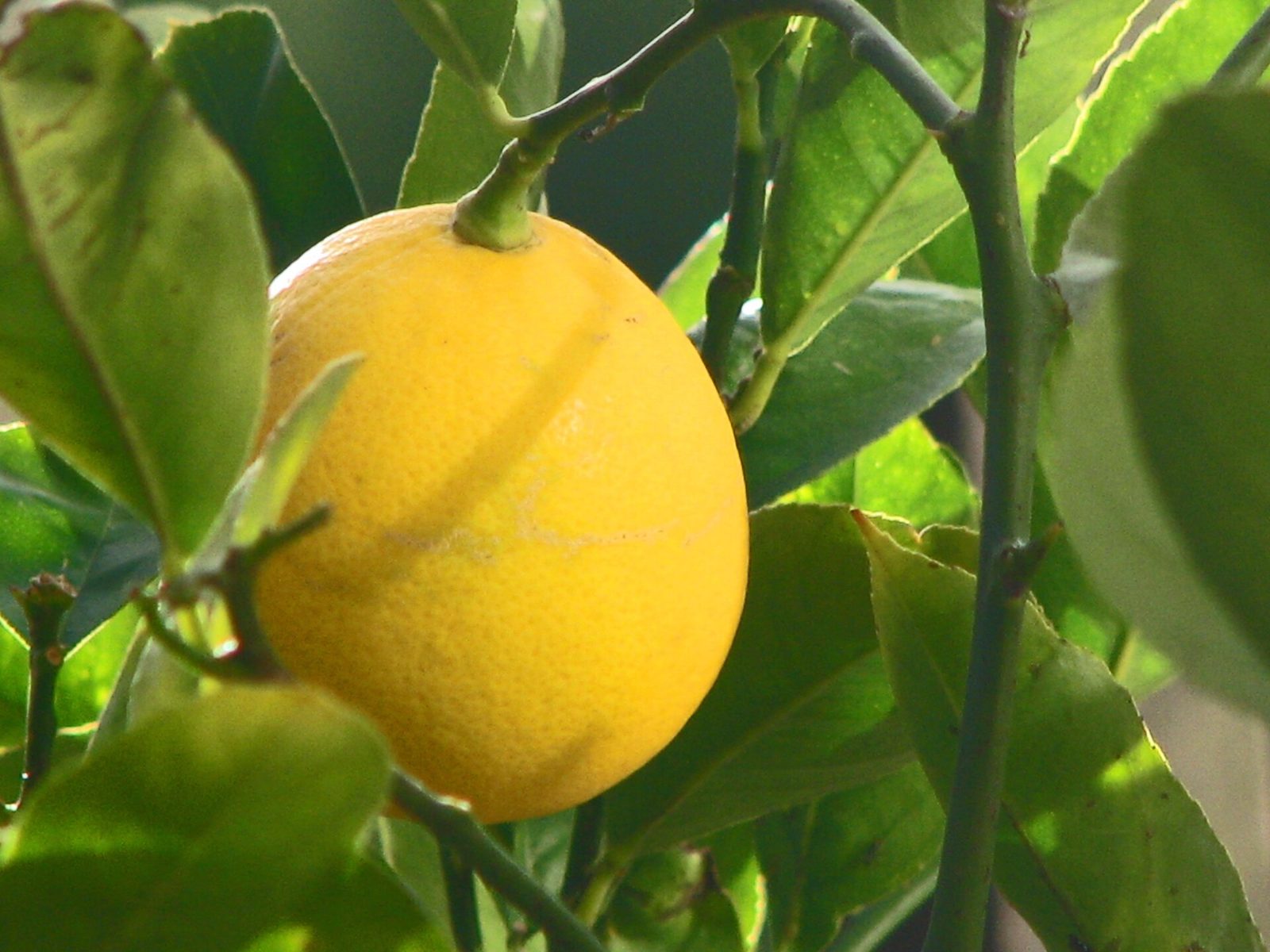
Yes, you can grow a Meyer lemon tree in the US: in the ground in zones 9–11, and in a pot anywhere if you can bring it indoors for the winter. It is one of the easiest lemons to keep, and it stays small (UC ANR lists the Improved Meyer among the naturally small citrus). It wants full sun, well-drained soil and steady water. Its weakness is cold: LSU AgCenter says the Meyer has only “a small degree of cold hardiness,” so a hard freeze is the thing to plan around.
- USDA zones
- 9–11 in the ground · any zone in a pot
- Sun
- Full sun
- Water
- Moderate
- Difficulty
- Easy
- Lifecycle
- Perennial
- Origin
- Asia
- Container friendly
- Yes
- Time to fruit
- Third year for young lemon trees (UF/IFAS)
- Mature size
- Lemon trees reach 10–20 ft (UF/IFAS) · the Meyer is a naturally small type
- Cold limit
- Lemon flowers and fruit die near 29°F, leaves at 22–24°F
- Pollination
- Not required to set fruit on lemons (UF/IFAS)
Why grow a Meyer lemon tree
Frank Meyer, a USDA plant explorer, brought the tree to the US from China in the early 1900s. It is a naturally occurring hybrid between a lemon and a mandarin or orange (UC ANR). It is also happy in a container, so it suits a patio, a small yard or a sunny room.
The tree is a good first citrus. It tolerates a pot, it stays a manageable size with light pruning, and a single tree sets fruit without a partner. Expect fruit from about the third year on a young tree (UF/IFAS), and plan your winters before you plant.
Improved Meyer lemon: the version to buy
Look for “Improved Meyer” on the label. The Improved Meyer is free of tristeza virus (UC ANR), which is why it is the selection sold by nurseries today. UF/IFAS notes that the brown citrus aphid spreads tristeza virus, so a virus-free tree is a sensible start. Buying an Improved Meyer from a reputable nursery is the simplest way to get one.
Most nursery trees are grafted onto a rootstock. UF/IFAS says rootstock choice for the soil type and conditions is critical on lemons, so ask the nursery what the tree is on and whether it suits your soil. LSU AgCenter says the Meyer does better grown from a rooted cutting. Seedlings of citrus are not true to type (Texas A&M AgriLife), so a seed from a fruit will not give you a Meyer.
Which zone are you in?
The numbers below are for lemons in general, from UF/IFAS, and they apply to short exposures. A Meyer has only a small degree of extra hardiness, so treat them as your working limits.
| Temperature | What happens to a lemon tree |
|---|---|
| About 29°F (−2°C) | Flowers and young fruit are killed |
| 22–24°F (−6 to −4°C) | Leaves are damaged and may drop |
| About 20°F (−7°C) | Severe damage to the wood |
Even in zone 9, a cold night after the tree has flushed new growth can set it back. Keep frost cloth ready, and see the cold section under problems below.
Where to buy a Meyer lemon tree
Buy from a local nursery or garden center, or from a plant sale run by a county extension office or a fruit-growers club. Check the label for “Improved Meyer,” a healthy graft union and glossy, unspotted leaves. A small nursery tree in a 3- or 5-gallon pot is easier to establish than a large specimen.
Planting a Meyer lemon tree in the ground
Pick a spot with full sun and good drainage. UF/IFAS says lemons grow best in full sun, in well-drained soils with a pH of 5.5–6.5. Poor drainage raises the risk of foot rot and root rot (LSU AgCenter).
- Plant after the last frost. In zones 9–11, spring is the usual window. A tree planted in spring has a full warm season to settle in before its first winter.
- Choose a sunny, free-draining spot. Full sun, with shelter from cold wind if you can manage it, such as a south-facing wall.
- Dig a wide, shallow hole. Make it about as deep as the root ball and two to three times as wide. Set the tree so the graft union, the bulge near the base, stays above the soil line.
- Backfill and water in. Fill with the soil you dug out, firm it gently and water deeply. Add a ring of mulch, kept a few inches from the trunk.
- Water on a steady schedule. UC IPM suggests irrigating about every 7 to 10 days in the middle of summer in hot-summer climates. Water young trees more often until they are established.
Growing a Meyer lemon tree in a pot
The Meyer is one of the best citrus for containers. Texas A&M AgriLife says container size is the most limiting factor: large enough for maximum growth, yet small enough to move indoors in freezing weather. A potted tree also goes anywhere you can give it sun, and a sturdy fabric pot drains well and is lighter to move.
Our Meyer lemon tree in a pot guide covers pot sizes, potting mix and watering. If you plan to keep the tree in the house for the winter, read how to grow a Meyer lemon tree indoors first.
Meyer lemon tree care
Sun
Water
Soil
Protect
How to fertilize a Meyer lemon tree
Feed on a schedule. The two best sources below use different bases, so do not mix their numbers.
Young trees. UC IPM gives a nitrogen schedule by year:
- Year 1: 1 tablespoon of nitrogen fertilizer, three times in the year.
- Year 2: 0.25 lb of actual nitrogen.
- Year 3: 0.5 lb of actual nitrogen.
“Actual nitrogen” is the nitrogen in the bag, not the weight of the bag. Read the percentage on the label and work back from it. UC IPM also says to avoid late-season feeding, because it pushes tender growth that the first cold snap can damage.
Mature trees. UF/IFAS recommends 3–4 lb of fertilizer per application, 2–3 times a year, for mature lemon trees. That figure is the weight of the product, not of nitrogen. Use a citrus fertilizer that includes micronutrients, because iron, zinc and magnesium shortages each show up as a distinct yellowing pattern (UF/IFAS CH142). Our yellow leaves guide shows how to read them.
In a pot. Use a citrus fertilizer and follow the label rate for container plants, applying smaller amounts more often than you would for a tree in the ground. Pots hold little soil and the nutrients wash out with every watering.
Meyer lemon tree flowering and pollination
You do not need a second tree. UF/IFAS says lemon does not require cross pollination to set fruit, although honey bees and other insects frequently visit the open flowers. A young tree usually starts fruiting in its third year (UF/IFAS).
If the tree lives indoors for part of the year, there may be no insects to visit the flowers. Dab each open flower in turn with a small, soft paintbrush to move pollen around. If a healthy, mature tree will not flower, check three things: whether it gets enough direct light, whether you are over-feeding with nitrogen, and whether the tree is simply too young.
Pruning a Meyer lemon tree
Keep pruning light. UF/IFAS says to prune a lemon to remove water sprouts and dead wood, and to shape the tree and control its height and spread. For citrus in general, UF/IFAS adds that mature trees need no canopy pruning except after injury. Our Meyer lemon pruning guide shows what to cut, and what to leave.
Common Meyer lemon tree problems
Watch for the Asian citrus psyllid and the disease it carries. UF/IFAS says citrus greening (HLB) is transmitted by the citrus psyllid, Diaphorina citri. If you see unusual leaf symptoms and live in or near a quarantine area, call your county extension or agricultural office rather than moving plant material.
Harvesting and storing Meyer lemons
LSU AgCenter says that in Louisiana the Meyer ripens in mid-October and holds on the tree until December. That long window means you can leave the fruit where it is and pick lemons as you need them. In cooler or warmer regions, the timing shifts, so watch the fruit rather than the calendar.
UF/IFAS describes lemons picked green and then cured at room temperature until the peel turns yellow. For a Meyer from your own tree, the simplest rule is to let the peel turn fully yellow on the branch, then twist or clip the fruit with a short stem. Keep picked lemons on the counter for a few days, or in the refrigerator for longer.
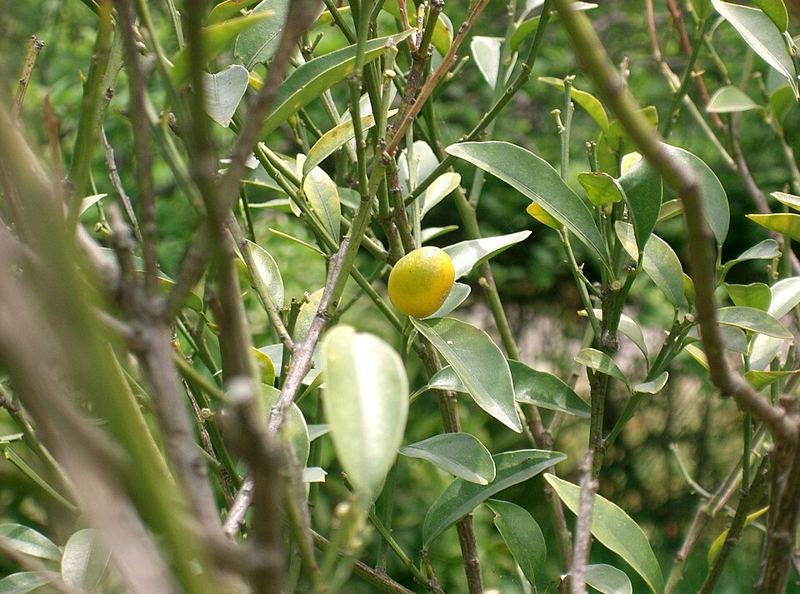
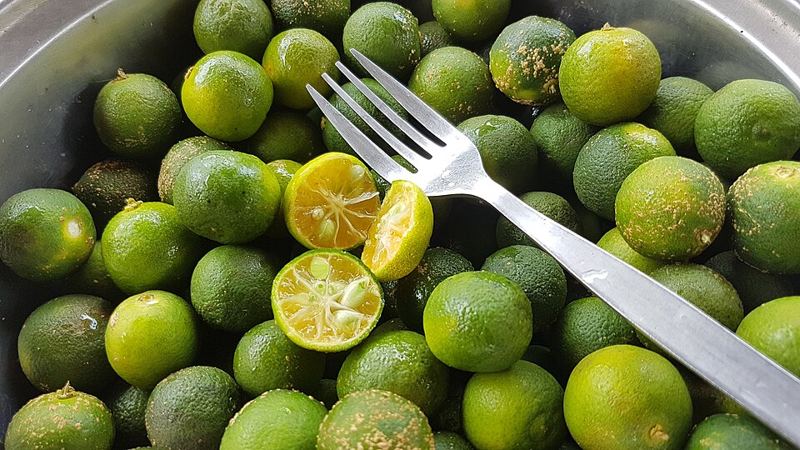
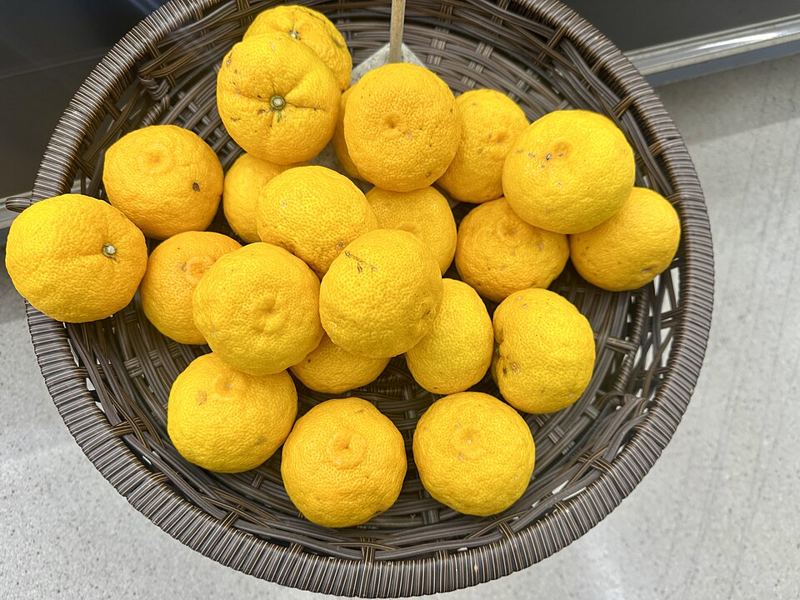
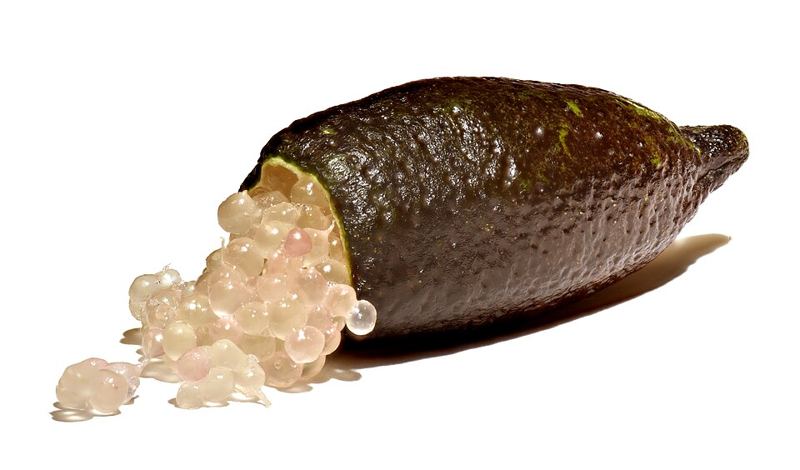
For more on citrus you can grow at home, browse the citrus section. If you like the Meyer, the related trees to try next are kumquat, calamansi, yuzu and finger lime.
Frequently asked questions
What zones can you grow a Meyer lemon tree in?
Plant it in the ground in USDA zones 9–11. LSU AgCenter says the Meyer has only a small degree of cold hardiness, so in colder zones grow it in a pot and bring it indoors for the winter. Our [Meyer lemon tree in a pot guide](/citrus/meyer-lemon/in-containers/) covers the details.
How cold can a Meyer lemon tree get?
LSU AgCenter describes the Meyer as having a small degree of cold hardiness, with no hard limit. For lemons in general, UF/IFAS reports that flowers and young fruit are killed at about 29°F (−2°C), leaves are damaged at 22–24°F (−6 to −4°C) and wood at about 20°F (−7°C) after short exposures. Treat a hard freeze as a reason to cover or move the tree.
How long does a Meyer lemon tree take to fruit?
UF/IFAS says young lemon trees usually begin fruit production in the third year. A grafted nursery tree may carry fruit sooner, because it is already a few years old when you buy it.
Is a Meyer lemon tree self-fertile?
UF/IFAS says lemons do not require cross pollination to set fruit, so one tree is enough. Bees and other insects visit the flowers outdoors. Indoors, you can move pollen from flower to flower with a small soft brush.
When do you pick a Meyer lemon?
LSU AgCenter notes that in Louisiana the Meyer ripens in mid-October and holds on the tree until December. Pick when the peel has turned yellow, and take fruit as you need it, since it keeps well on the tree.
Why is my Meyer lemon tree dropping leaves or turning yellow?
The usual causes are wet roots, a nutrient shortage, cold and a sudden move indoors. Texas A&M AgriLife calls overwatering the most common cause of poor performance in container citrus. Our [Meyer lemon yellow leaves guide](/citrus/meyer-lemon/yellow-leaves/) has a pattern-by-pattern table.
Sources
- The Lemon Tree: Lemon Growing in the Florida Home Landscape (HS402), UF/IFAS Extension
- Cultural Tips for Growing Citrus, UC IPM, University of California
- Growing Fabulous Citrus, UC ANR
- Home Citrus Guide, LSU AgCenter
- Citrus, Texas A&M AgriLife Extension
- Citrus Nutritional Deficiency and Toxicity (CH142), UF/IFAS Extension
- Asian Citrus Psyllid and Huanglongbing Disease, UC IPM, University of California
 Kumquat
 Calamansi
 Yuzu
 Finger Lime