

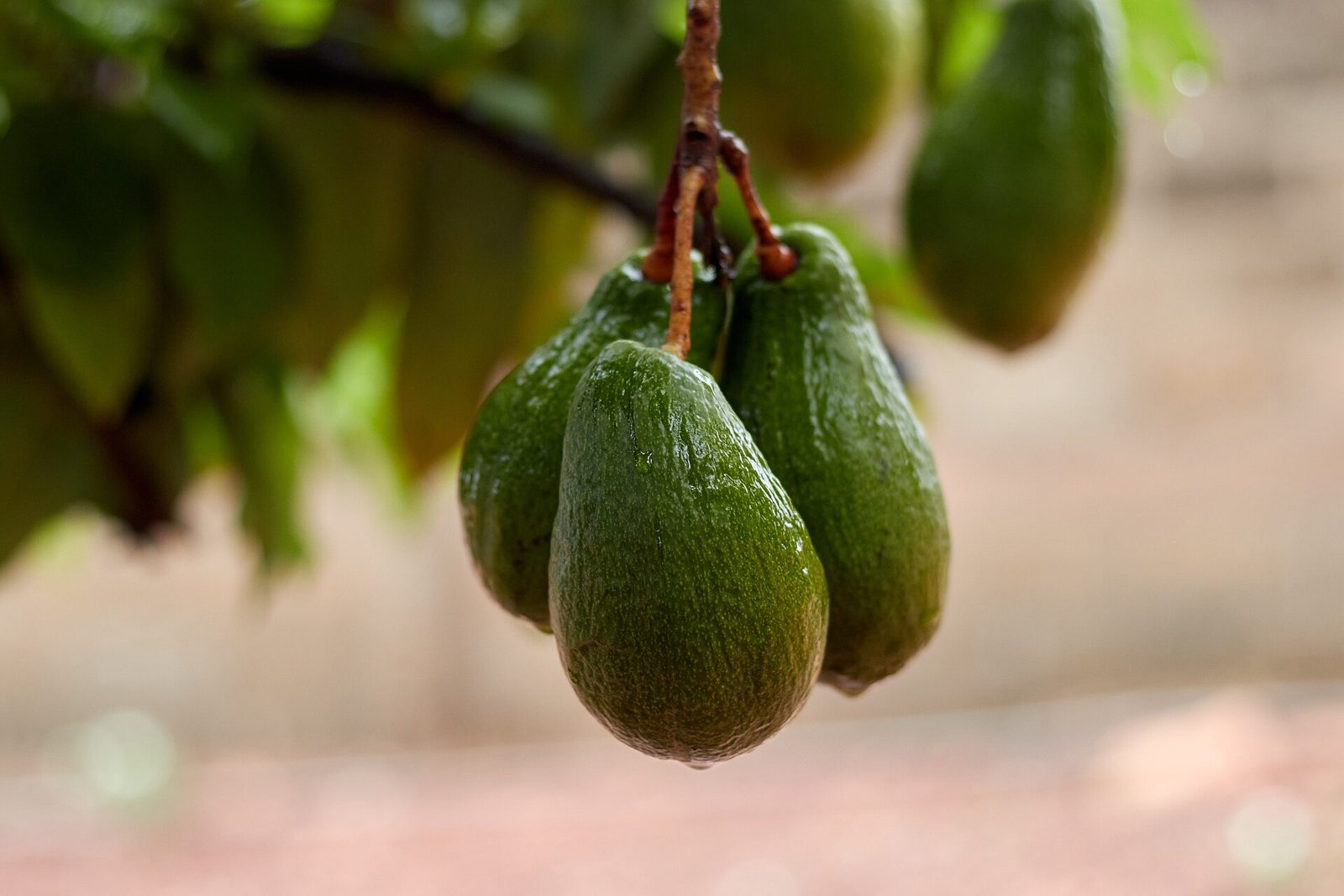
Yes, you can grow an avocado tree in the warmest parts of the US, and in a pot almost anywhere. In the ground, plan on zones 9–11, with zone 9 as the risky edge. Cold zones need a pot you can move indoors. An avocado is a big, slow, sun-loving tree that hates wet roots. A grafted tree starts fruiting after about 3–4 years, while a tree grown from a pit takes far longer and may give poor fruit. Pick the variety for your winter low, then give it full sun and drainage.
- USDA zones
- 9–11 in ground · any zone in a pot
- Sun
- Full sun
- Water
- Moderate
- Difficulty
- Medium
- Lifecycle
- Perennial
- Origin
- The Americas
- Container friendly
- Yes, while young · needs pruning
- Time to fruit
- Grafted 3–4 yrs · from a pit 5–13+ yrs
- Cold limit
- Mature Mexican types damaged at about 18–26°F (−8 to −3°C)
- Pollination
- A and B flower types · some varieties fruit alone
- Mature size
- 40–80 ft (12–24 m) if not pruned
Why grow an avocado tree
The avocado is native to the Americas, and the types grown in the US come from three ecological races: Mexican, Guatemalan and West Indian (UF/IFAS). The races matter because they differ in cold tolerance, and cold decides where you can plant one.
A tree of your own gives you something shop fruit can’t: avocados do not ripen on the tree (UF/IFAS), but they keep best hanging there (UC IPM). So you can pick one at a time, leave the rest and let each soften on your counter. Be realistic about the commitment, though. Texas A&M says an unpruned tree can reach 40–80 ft (12–24 m), and it takes years to start. If you want the fruit more than the tree, grow a compact, pruned specimen in a pot, or go to the store.
Avocado varieties for US growers
Pick by winter first, flavor second. The race of a variety sets how much cold it can take, and its flower type affects pollination. UF/IFAS gives these damage ranges for mature trees, and young trees are less hardy than mature ones:
- Mexican: hardiest, about 18–26°F (−8 to −3°C).
- Guatemalan: about 24–28°F (−4 to −2°C).
- West Indian: about 25–30°F (−4 to −1°C). The California Rare Fruit Growers put damage nearer 32°F (0°C), so treat the warm end of that range with caution.
Most named varieties are hybrids of these races. The table uses UF/IFAS, California Rare Fruit Growers, UC Riverside and Texas A&M descriptions, and shows flower type and cold hardiness in the last column.
| Variety | Best for | Size | Flavor | Flower type / cold hardiness |
|---|---|---|---|---|
| Hass | California's leading commercial variety (UC Riverside) · February to June or July at Irvine, California | Open tree, not tall (CRFG); fruit 6–14 oz | Thick, pebbled, coppery-purple skin; good flesh, 19% oil | A · hardy to 26°F (CRFG) |
| Mexicola | The coldest sites · hardiest cultivar known (CRFG) · ripe in September | Tall, spreading, vigorous; fruit about 5 oz | Paper-thin, purplish-black skin; highest-quality flesh, very large seed | A · low 20s°F (UF); trunk killed at 17°F (CRFG) |
| Fuerte | Formerly California's standard (CRFG) · December to March at Irvine | Open, spreading, tall; fruit 9–16 oz | Thin dark-green skin with pale raised spots; good flesh, 18% oil | B · hardy to 26°F (CRFG) |
| Bacon | Cooler California, including the Bay Area and Central Valley (CRFG) · November to January in Orange County | Columnar, takes less room (UC Riverside); fruit 10–18 oz | Smooth, thin green skin; unusually pale yellow-green flesh | B · hardy to 25°F (CRFG) |
| Reed | June to September at Irvine, California (UC Riverside) · mid-December to early March in Florida (UF/IFAS) | Columnar (UC Riverside); large fruit | Thick, pebbled green skin; good flesh | A · moderately cold-tolerant, 25–30°F (UF) |
| Choquette | Florida · late October to mid-January (UF/IFAS) | Very large fruit, 18–40 oz | Green skin | A · moderately cold-tolerant, 25–30°F (UF) |
Compare all seven, including Brogdon, in our avocado varieties guide. Or go straight to our two main pages: Hass, the variety most gardeners know from the store, and Mexicola, the one to try where winters bite.
Flower types. Avocado flowers open twice. On an A-type tree they open female in the morning and male in the afternoon, and on a B-type tree the reverse (UC Riverside). UF/IFAS says varieties differ in how much cross-pollination they need to set fruit. A single tree of some varieties does fruit, and UF/IFAS names Waldin, Lula and Taylor as ones that fruit well planted alone. For a variety not on that list, a second tree of the other flower type is the safer bet if you have room.
Where to buy an avocado tree
Buy a grafted tree from a nursery in your own region, or from a plant sale run by your county extension office or a local fruit-growers club. A grafted tree matches the variety on its label and fruits sooner, which a seedling can’t promise. Check that the label gives the variety name, ask for its flower type, and ask whether it was grown in your zone. A local nursery that sells what has been proven to grow near you is a safer bet than a random online listing, because trees are heavy and slow to replace.
Plant in spring after your last freeze so the tree has a full warm season to settle in before its first winter. If you will grow it in a container, a fabric pot gives the roots air and drains well.
How to start an avocado tree
For most gardeners the best route is a grafted nursery tree. Here is how to get it off to a good start.
- Choose a variety for your winter. In zones 10–11 you can grow most types. In zone 9 pick a Mexican-race type such as Mexicola, and choose a warm, sheltered site. Anywhere colder, plan on a pot.
- Buy a healthy, labeled, grafted tree. Look for a named variety, glossy leaves and a trunk with no wounds or wilting branches.
- Plant after the last freeze. Set it at the same depth it grew in its nursery pot, on a low mound if your soil is heavy, and water it in.
- Mulch and water. Spread mulch over the roots, a few inches back from the trunk, and keep the soil evenly moist but never soggy.
- Be patient. Expect fruit after about 3–4 years (UF/IFAS, UC Riverside).
Planting an avocado tree
In the ground. Avocados want full sun for best growth and fruit production (UF/IFAS). The bigger issue is drainage. UC IPM says soils that drain poorly or hold standing water are unsuitable and may lead to root rots, and UF/IFAS says Phytophthora root rot is likely where soil is poorly drained or floods. Choose a spot where water never pools, and plant on a low mound if you are unsure. Give the tree room, because it can reach 40–80 ft if not pruned (Texas A&M). If you grow Mexican-race varieties, test your soil and irrigation water first, since Texas A&M says they are not salt tolerant.
In a container. CRFG says to use a planting mix combined with topsoil. A pot lets you move the tree under cover in any zone, and keeps it much smaller than a ground-planted tree. Our avocado tree in a pot guide covers pot size, watering, pruning and winter.
Avocado tree care
Water
Feed
Prune
Protect
Pollination. Avocado flowers are either A type or B type (see the variety section above). Check the flower type on the label, and if the variety is not one UF/IFAS lists as fruiting well alone, consider a second tree of the other type.
Common avocado tree problems
Harvesting and eating avocados
Avocados do not ripen on the tree (UF/IFAS), so you pick them hard and let them soften indoors. UC IPM suggests a simple test: clip one fruit and see whether it softens without shriveling. If it shrivels, the oil content is not yet high enough and the rest need longer on the tree. Fruit keeps best on the tree, so harvest only what you need (UC IPM). Once picked, a mature fruit softens in about 3–10 days at room temperature (3–8 days per UF/IFAS, 7–10 days per UC Riverside).
Harvest seasons vary with variety and region. At Irvine, California, UC Riverside lists Hass from February through June or July, Fuerte December to March and Reed June to September, while UF/IFAS lists Reed in Florida from mid-December to early March. Check your own variety and your own region.
Learn the signs in how to tell if an avocado is ripe, then see how to cut an avocado for a safe, tidy method. Want an avocado in a smaller space? Read about an avocado tree in a pot. For more fruit that loves warmth, try our mango tree guide or browse the tropical fruit section.
Frequently asked questions
How cold can an avocado tree get?
UF/IFAS gives damage ranges for mature trees by race. Mexican types are the hardiest at about 18–26°F (−8 to −3°C), Guatemalan types about 24–28°F (−4 to −2°C) and West Indian types about 25–30°F (−4 to −1°C). The California Rare Fruit Growers put West Indian damage nearer 32°F (0°C). Young trees are less hardy than mature ones.
Can I grow an avocado tree in zone 7 or 8?
Not in the ground in most winters. Even the hardiest mature Mexican types are damaged at 18–26°F, and young trees are less hardy. Grow a grafted tree in a large pot, keep it in full sun in summer and bring it indoors or under cover before a freeze.
Do you need two avocado trees to get fruit?
Not always. UF/IFAS says varieties differ in how much cross-pollination they need, and names Waldin, Lula and Taylor as varieties that fruit well planted alone. Avocado flowers are either A type or B type, and a nearby tree of the other type can help a variety that sets poorly alone.
How long does an avocado tree take to fruit?
A grafted tree begins to produce after 3–4 years (UF/IFAS, UC Riverside). A tree grown from a pit can take 5–13 years or more before it is mature enough to set fruit (UC Riverside), and avocados do not come true from seed, so the fruit may be poor.
Why is my avocado tree dropping fruit?
Some varieties set many fruit and most drop in early summer (UF/IFAS), which is normal. Avocado thrips feeding on the stem can also cause fruit drop (UC Riverside). A good fertilizer and watering program also means less alternate bearing, where a heavy crop is followed by a light one (UF/IFAS).
What is laurel wilt, and does it affect avocados?
Laurel wilt is a tree disease that UF/IFAS lists as a threat to avocado, which is a susceptible non-native member of the laurel family. It is a Florida concern, so if you garden there, ask your county extension office about it before you plant.
Sources
- Avocado Growing in the Florida Home Landscape (CIR1034/MG213), UF/IFAS Extension
- Recommendations for the Detection and Mitigation of Laurel Wilt Disease in Avocado and Related Tree Species in the Home Landscape (HS1358), UF/IFAS Extension
- Avocado FAQs, UC Riverside Avocado Variety Collection
- Variety List, UC Riverside Avocado Variety Collection
- Cultural Tips for Growing Avocado, UC Statewide IPM Program
- Avocado Fruit Facts, California Rare Fruit Growers
- Avocados, Texas A&M AgriLife Extension
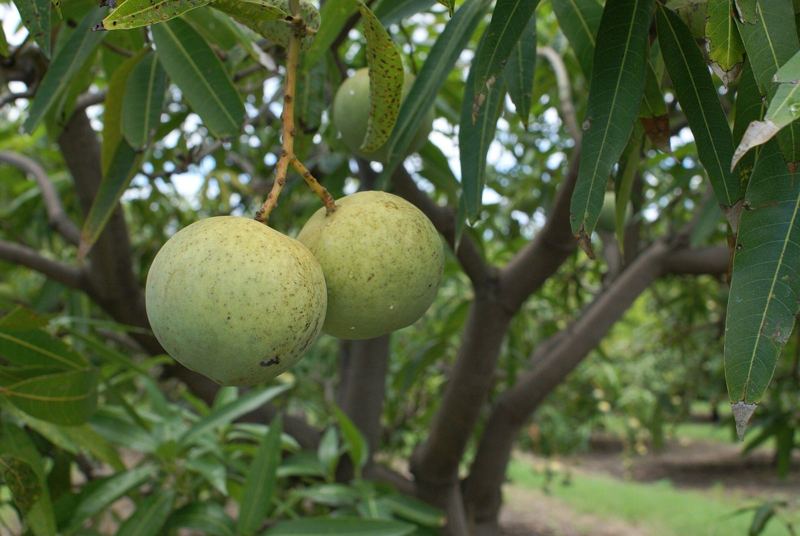 Mango
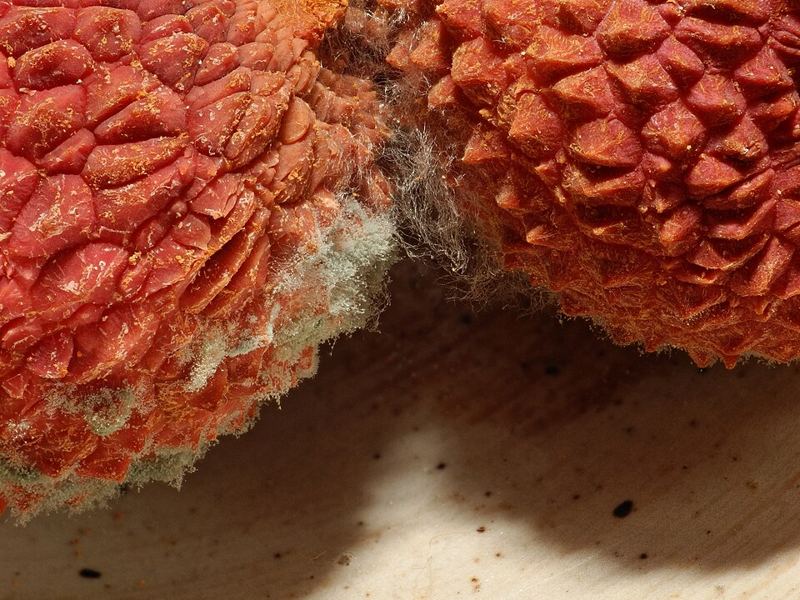 Lychee
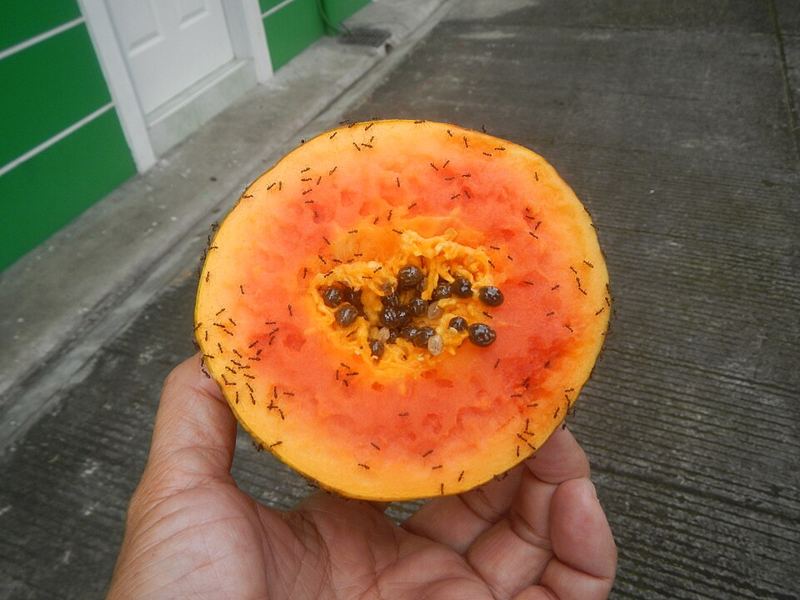 Papaya
 Cherimoya