

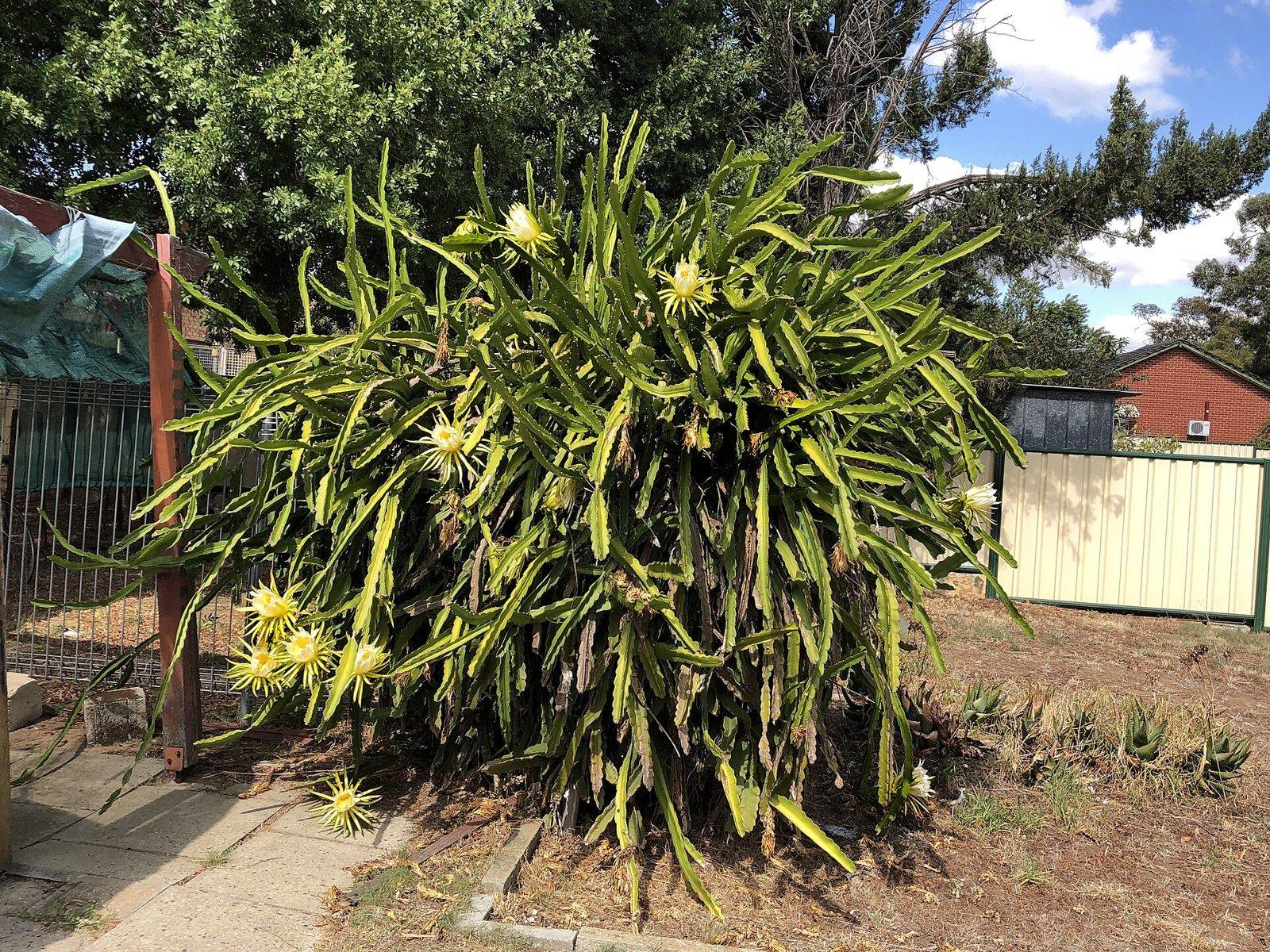
You can grow a dragon fruit plant outdoors in zones 10–11, in zone 9b with frost protection, and anywhere colder in a pot you can bring inside. It is a climbing cactus that wants full sun, well-drained soil and a sturdy post to climb. A rooted cutting can fruit in as little as 6–9 months (UF/IFAS). The catch is pollination: many plants need a second type nearby, or a little help with a brush after dark, before they will set a single fruit.
- USDA zones
- 10–11 outdoors · 9b with frost protection · colder: in a pot
- Sun
- Full to almost full sun; light shade in hot, dry climates
- Water
- Regular from flowering to harvest; never soggy
- Difficulty
- Easy
- Lifecycle
- Perennial
- Origin
- The Americas
- Container friendly
- Yes
- Time to fruit
- 6–9 months from cuttings · up to 7 years from seed (UF/IFAS)
- Cold
- Brief dips near 28°F (CRFG) · long freezes damage stems (UF/IFAS)
- Pollination
- Some types self-fruitful, many need a second type
- Flowers
- Open after dark and wilt by daybreak (UH CTAHR)
Why grow a dragon fruit plant
Dragon fruit, also called pitaya, looks like nothing else in the garden. The plant is a sprawling, three-winged cactus, and the flowers open for a single night, starting about 6:40 to 7:00 p.m. and finishing by about 10:00 p.m. (UH CTAHR). The fruit that follows has a bright skin with scale-like wings and flesh that runs from white through red to very dark red (UH CTAHR).
It is also quicker than most fruit crops. UF/IFAS says many cuttings produce fruit 6–9 months after planting, while UH CTAHR describes production in the second year and full production in about 5 years. If you have a warm, sunny spot and a place for a post, that is a fast return. Fruit weighs from about ½ lb to over 3 lb across the Hylocereus group, and sugar runs 12–21% (CRFG).
Which zone are you in?
Young plants have no cushion, so protect them from any frost. Yellow types are more cold sensitive than the Hylocereus group (CRFG). Heat is not the problem, but sun can be: CRFG says 5–30% shade may be needed in hotter areas to prevent sunburn, and UF/IFAS reports severe stem sunburn in some regions with low humidity or high altitude.
Types of dragon fruit
Three species make up most of what you will see. Hylocereus undatus has white flesh, H. costaricensis and H. polyrhizus have red or purple flesh, and Selenicereus megalanthus is the yellow pitaya (CRFG, UH CTAHR). On top of that sit named cultivars from nurseries and trials. Compare more in our dragon fruit varieties guide.
| Variety | Best for | Size | Flavor | Notes |
|---|---|---|---|---|
| White flesh (H. undatus) | The classic type · Florida season June–November (UF/IFAS) | Hylocereus fruit: ½ to over 3 lb (CRFG) | White flesh, pink or reddish skin · sugar 12–21% across Hylocereus (CRFG) | Plant two or three types for fruit set (UF/IFAS) |
| Red or purple flesh (H. costaricensis, H. polyrhizus) | Deeper color · two or three crops from summer into fall (CRFG) | Hylocereus fruit: ½ to over 3 lb (CRFG) | Red to purple flesh (UH CTAHR) | Cross-pollination gives better set and size (UF/IFAS) |
| Yellow (S. megalanthus) | A sweeter small fruit · late summer or fall (CRFG) | Smaller than other pitaya (CRFG) | Yellow thorny skin, translucent white flesh · sweeter than other pitaya (CRFG) | Self-fruitful (CRFG) · more cold sensitive |
| American Beauty | Top flavor in a UC blind test | About 13 oz (380 g) | Brix 18.5 in the UC trial | Florida origin · considered the same as Bien Hoa Red (UC) |
| Physical Graffiti | Top external appearance in the UC trial | About 13 oz (374 g) | Brix 17.9 in the UC trial | Closely related to Delight and Halley's Comet (UC) |
| Delight | Top appearance, and flavor when panelists could see the flesh | About 13 oz (371 g) | Brix 18.1 in the UC trial | San Diego origin · closely related to Physical Graffiti |
| Halley's Comet | Larger fruit than its close relatives Delight and Physical Graffiti | About 17 oz (482 g) | Brix 16.7 in the UC trial | Florida origin · closely related to Delight |
| Lisa | Top appearance and blind-test flavor in the UC trial | About 16 oz (465 g) | Brix 17.0 in the UC trial | Nicaragua origin · may be the same as Rosa and Cebra (UC) |
Names are messy. UC’s DNA work found American Beauty and Bien Hoa Red to be considered the same plant, and Lisa, Rosa and Cebra could be one cultivar sold under three names. Brix figures come from single trials, so treat them as a rough guide. Our pages on yellow dragon fruit and American Beauty go into more detail.
Where to buy a dragon fruit plant
Buy a rooted plant or cuttings from a nursery that gives the type or cultivar name on the label, and buy two or three different types if you can. That gives you cross-pollination insurance (UF/IFAS). Local fruit-growers clubs and county extension plant sales often have cuttings of types that already grow well in your area, and cuttings are the cheapest start. A plant grown from seed can take up to 7 years to fruit and is variable (UF/IFAS), so treat seed as a project, not a plan.
How to start dragon fruit from cuttings
Cuttings are the standard way to start a plant, and they are why fruit can come within a year. Our dragon fruit from cuttings guide has the full method. In short:
- Cut a mature stem. UH CTAHR says to take 6–8 inch (15–20 cm) sections or a whole stem segment. Mature stems are preferred because they resist insect and snail damage.
- Cut at a slant and treat the cut. UF/IFAS makes a slanted cut at the base and treats the cutting with a fungicide, which reduces stem rot.
- Let the cut end dry and callus. Leave the cutting in a dry, shady spot for about 5–8 days (UH CTAHR says 5–7, UF/IFAS says 7–8).
- Pot it up and let it root. Plant it in a pot of well-drained mix. UF/IFAS says the plant needs about 4–6 months in the pot to build a good root system.
- Plant it next to its support. Set the rooted plant at the foot of a post or trellis and tie the main stem to it.
Support and training
Dragon fruit is a climbing cactus. Its stems cling and sprawl, and the weight of a fruiting plant is far more than you expect. UF/IFAS suggests a post with a structure at the top for home plants, so the stems climb the post and then drape from the frame. UH CTAHR also lists horizontal trellises, galvanized fencing and T-trellises, and CRFG says trellises are generally 5–8 ft high.
Train it as UF/IFAS describes. Remove side stems until the main stem reaches the top of the support, and tie the main stem to the post. When the plant reaches the top, cut the tips to induce branching, then train and tie the new laterals to the structure. The fruit forms on the drooping stems.
Planting a dragon fruit plant
In the ground. Choose full or almost full sun (UF/IFAS). The plant is adapted to a wide range of soils if they drain well, and it thrives in soil high in organic matter (UF/IFAS, CRFG). Plant it at the foot of the post, with the main stem tied in from day one.
In a pot. A big pot suits any zone and lets you bring the plant inside. See our dragon fruit in a pot guide for pot size, mix, watering and winter.
Dragon fruit plant care
Water
Feed
Prune
Protect
Pollination: the reason most plants don’t fruit
A healthy, well-grown dragon fruit plant that never fruits is usually a pollination problem. The flowers open once, in the evening, and wilt by daybreak (UH CTAHR). CRFG says some species, varieties and cultivars are self-fruitful, but many others need cross-pollination. UF/IFAS reports self-incompatibility in several nursery cultivars and recommends planting two or three genetic types, since cross-pollination between different types assures better fruit set and size.
Mark the date you pollinate. Hylocereus fruit takes about 45 days from pollination to ripe (CRFG), so a date on a tag tells you when to start checking. Bloom also needs a dry winter and early spring (UH CTAHR), so ease off the water in the cool months.
Common dragon fruit problems
Harvesting and storing dragon fruit
Hylocereus fruit is ready about 45 days after pollination (CRFG), and the skin begins to change color 25–30 days after flowering (UH CTAHR). The usual sign of maturity is skin that has changed to almost full red. UF/IFAS says to harvest only well-colored, mature fruit, and to cut it with hand clippers. Yellow types take much longer, up to 150 days (CRFG).
For storage, UH CTAHR recommends about 50°F (10°C) and says fruit lasts about 14 days at that temperature, while temperatures near 43°F (6°C) can cause chilling injury. A home fridge is colder than that, so eat fruit within a few days if you chill it. Learn the signs in how to tell if dragon fruit is ripe, then see how to cut and eat dragon fruit. For another tropical fruit that does well in a pot, try our mango tree guide, or browse the tropical fruit section.
Frequently asked questions
What zones can you grow dragon fruit in?
Outdoors in zones 10–11, and in zone 9b if you can protect the plant from frost. In anything colder, grow it in a pot and bring it inside before the first freeze. Established plants shrug off a brief dip near 28°F (CRFG), but UF/IFAS says long exposure below freezing damages the stems.
Do you need two dragon fruit plants to get fruit?
Often, yes. CRFG says some types are self-fruitful but many others need cross-pollination, and UF/IFAS reports self-incompatibility in several nursery cultivars and suggests planting two or three genetic types. Hand pollination at night or in the early morning also works.
How long does a dragon fruit plant take to fruit?
Many cuttings fruit 6–9 months after planting (UF/IFAS), and UH CTAHR describes production in the second year and full production at about 5 years. A plant grown from seed can take up to 7 years and the fruit is variable (UF/IFAS).
How cold can a dragon fruit plant get?
CRFG gives brief dips near 28°F for established plants. UF/IFAS says plants may be damaged by below-freezing exposure of long duration, though they recover quickly from light freezing injury. Protect young plants from any frost.
Can you grow dragon fruit in a pot?
Yes. It is a climbing cactus that does well in a large pot with a sturdy post and a frame on top for the stems to drape from. Our [dragon fruit in a pot guide](/tropical/dragon-fruit/in-containers/) covers pot size, mix, watering and winter.
When is dragon fruit in season?
In Florida, white-fleshed dragon fruit ripens from June to November (UF/IFAS). CRFG says Hylocereus types give two or three crops from summer into fall, and yellow types fruit in late summer or fall.
Sources
- Pitaya (Dragonfruit) Growing in the Florida Home Landscape (HS303), UF/IFAS Extension
- Pitaya (Dragon Fruit) (Hylocereus undatus) Pests and Beneficial Insects (IN1292), UF/IFAS Extension
- Off-Season Pruning Effectively Reduces Dragon Fruit Canker (PP390), UF/IFAS Extension
- Pitaya (F_N-9), University of Hawaii CTAHR
- Dragon Fruit: Postharvest Quality-Maintenance Guidelines (F_N-28), University of Hawaii CTAHR
- Pitaya and Pitahaya (Dragon Fruit), California Rare Fruit Growers
- 2013 Pitahaya Production Seminar and Field Day, UC Cooperative Extension, San Diego
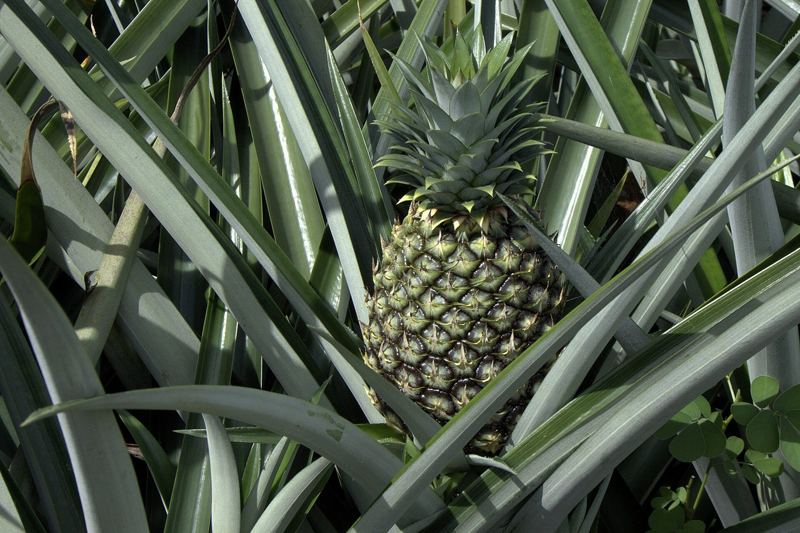 Pineapple
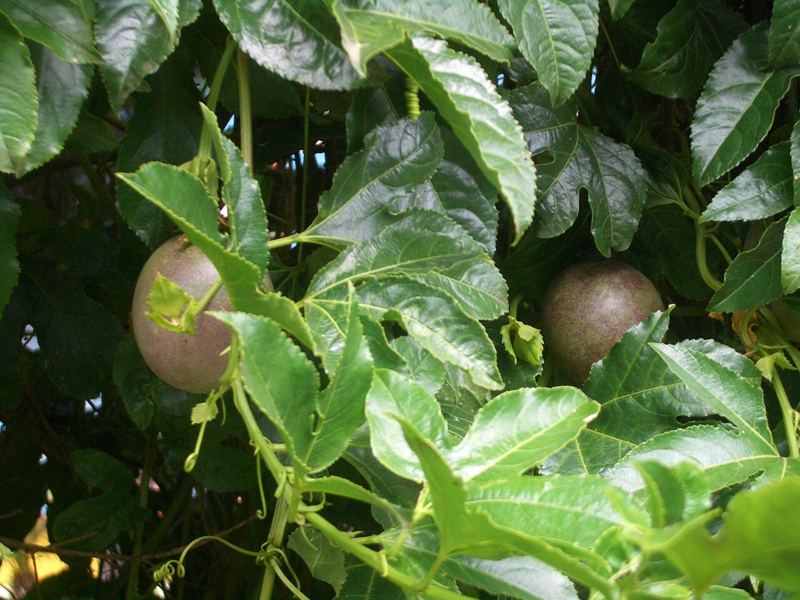 Passion Fruit
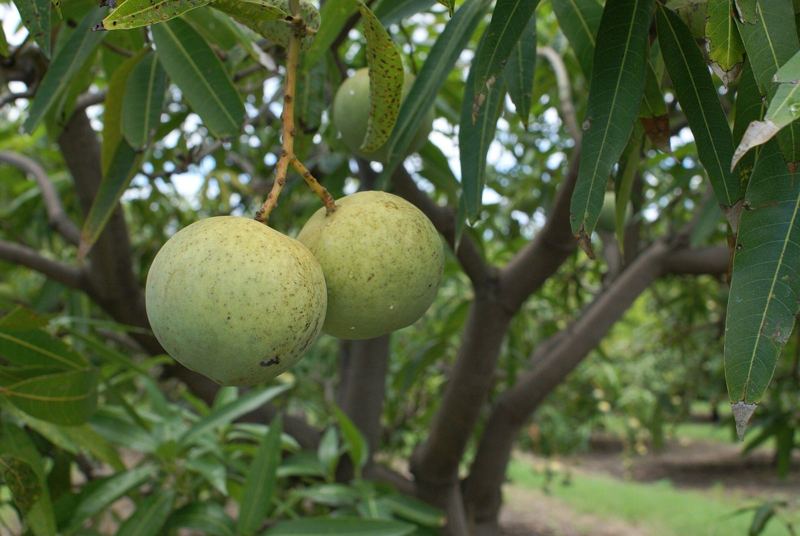 Mango
 Papaya