

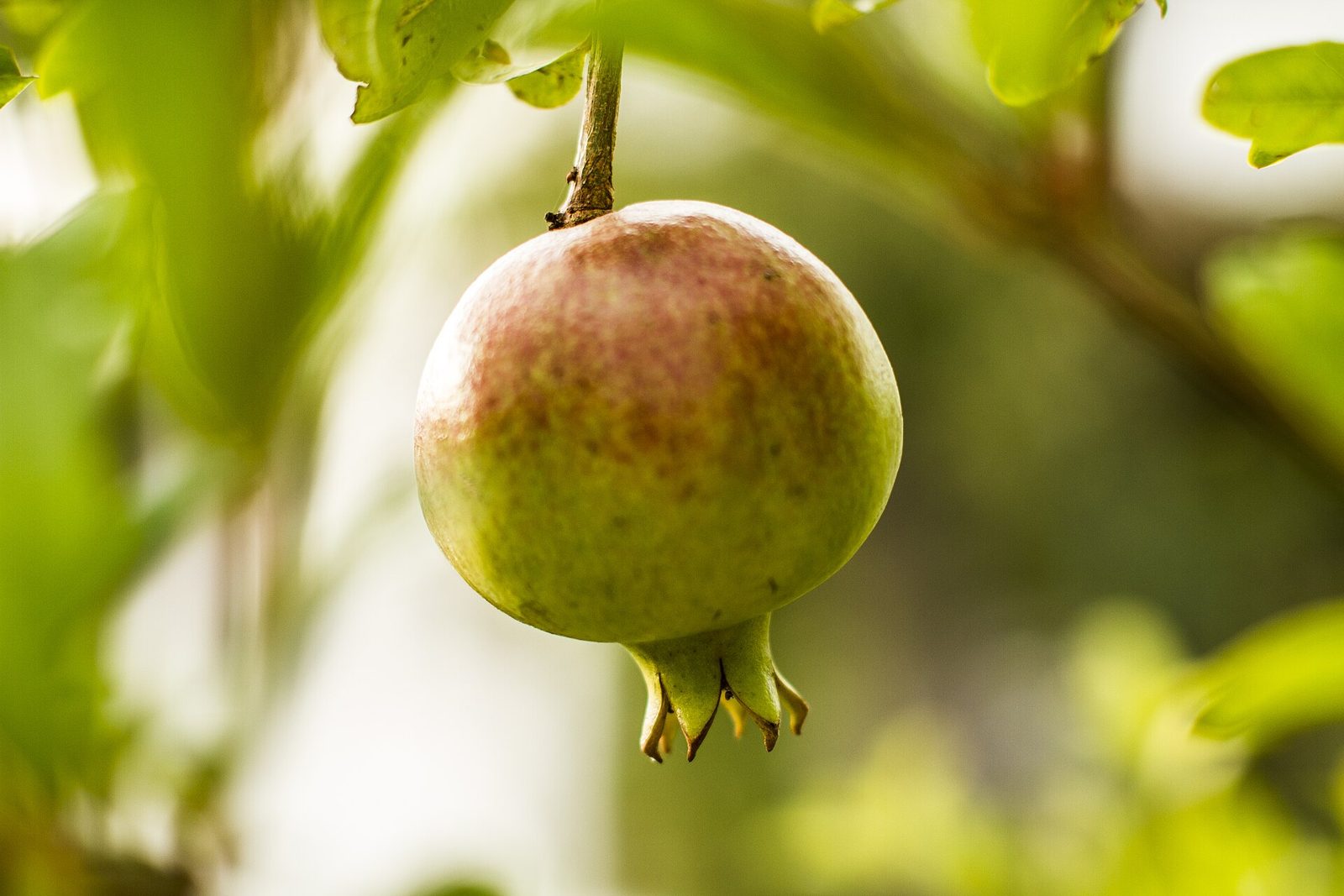
Yes, you can grow a pomegranate tree across the warmer half of the US: NMSU says pomegranates grow best in USDA zones 7–10, and a few cold-hardy types reach zones 5 and 6. It is an easy, sun-loving fruit that grows as a bushy shrub or a small tree, wants good drainage and sets fruit on its own, because pomegranates are self-fruitful (UGA). A plant from a hardwood cutting fruits in year two after planting (UGA), and it does well in a pot (CRFG).
- USDA zones
- 7–10 grow best (NMSU) · cold-hardy types in zones 5–6
- Sun
- Full sun for best flowers and fruit (TAMU)
- Water
- Drought tolerant once established, but irrigate for good fruit (CRFG)
- Difficulty
- Easy
- Lifecycle
- Perennial
- Origin
- Middle East
- Container friendly
- Yes (CRFG)
- Time to fruit
- Year 2 from a cutting · 3+ yrs from seed (UGA)
- Cold limit
- Dormant trees about 10–12°F · hardier types 7°F (UGA)
- Pollination
- Self-fruitful (UGA)
- Harvest
- End of August into October or early November (UGA)
Why grow a pomegranate tree
Pomegranates are native to central Asia and were grown in ancient Persia, Babylon, Egypt and India (UF/IFAS). That long history explains the plant. It copes with heat and sun, takes drought once it is established and is tolerant of a range of soils, so it is a forgiving choice for a dry, bright yard.
The tree itself is attractive. Flowers open from April through June (UGA), and the fruit hangs on the branches into autumn. In the photo above, a young fruit is still forming under its crown of sepals. Add a plant that is happy in a container, and you have a fruit that suits a patio as well as an orchard.
Where pomegranates grow in the US
If you have asked where pomegranate trees grow, the answer is the warm South and Southwest, plus mild parts of the coasts. NMSU says pomegranates grow best in zones 7–10. Extension services in Georgia, Texas, Florida and New Mexico all publish growing guides for them, and CRFG calls Wonderful the leading commercial variety in California.
Cold hardiness is the number to watch. UGA says most cultivars are hardy to 12°F, with hardier types surviving down to 7°F without damage. TAMU says some varieties tolerate 10°F and others are damaged at 18°F, and UF/IFAS warns that 12°F may severely injure dormant trees. Plan on roughly 10–12°F as the line for a dormant tree, and choose a hardier variety if your winter lows get near it. Salavatski is one: NMSU says it can withstand temperatures as low as 0°F.
Winter chill is not a problem. UGA says the majority of pomegranate varieties do not require winter chill hours, with the exception of a few cold-hardy cultivars. That makes the tree a good fit for mild winters, where many other deciduous fruit trees struggle.
Pomegranate varieties for US growers
Pick by winter first, then by taste and ripening time. Wonderful is the best-known variety and a leading commercial one in California, but it ripens late, and the cold-hardy names matter if you garden north of zone 8. The table sticks to what extension and CRFG sources say about each variety.
| Variety | Best for | Size | Flavor | Cold hardiness |
|---|---|---|---|---|
| Wonderful | The leading commercial variety in California (CRFG) · late ripening | — | Better for juicing than for eating out of hand; seeds not very hard (CRFG) | — |
| Granada | An earlier crop · ripens one month earlier than Wonderful (CRFG) | — | Darker red and less tart than Wonderful, a bud mutation of it (CRFG) | — |
| Eversweet | Sweet fruit for home or commercial use (NMSU) | — | One of the sweetest varieties (NMSU) | — |
| Kazake | Colder sites and hedgerows (NMSU) | — | — | Can be grown as far north as zone 5 (NMSU) |
| Salavatski | Cold winters · among varieties TAMU is studying for north central Texas | — | — | Withstands 0°F, very cold hardy (NMSU) |
For the full comparison, see our pomegranate varieties guide, or go straight to the Wonderful pomegranate page.
Where to buy a pomegranate tree
Buy a container-grown plant from a nursery in your own region, or from a plant sale run by your county extension office or a local fruit-growers club. Check that the label gives the variety name, and ask how cold the variety can take. A local nursery sells what has proven itself near you.
You can also make your own plants. A tree from a hardwood cutting fruits sooner than one from seed (UGA). Our guide to growing a pomegranate from cuttings covers the steps.
How to start a pomegranate tree
- Choose a variety for your winters. In zones 8–10, choose the variety whose fruit you like best. Colder than that, choose Kazake or Salavatski, or plan a pot you can shelter.
- Find the sunniest, warmest spot. TAMU says full sun gives the best flower and fruit formation, and CRFG recommends the sunniest, warmest spot you have. Avoid places where water stands.
- Plant at the nursery depth. Dig a hole wider than the root ball, set the plant at the depth it grew in its pot and firm the soil. Water it in well.
- Feed lightly. After planting, TAMU suggests a light application of nitrogen. For most plantings, nitrogen is the only nutrient needed each year.
- Water, mulch and prune. Keep the soil evenly moist while the plant settles, mulch around it and begin shaping it in the first winter.
Planting a pomegranate tree
In the ground. Good drainage matters more than soil type, and the sources disagree on alkalinity. UGA says trees tolerate moderately acid to slightly alkaline soils and grow best at a pH of 5.5–7.2. TAMU says pomegranates grow very well in the moderately alkaline soils of South Texas. UF/IFAS reports poorer growth on alkaline soils in Florida. If your soil is alkaline and drains well, a pomegranate will probably cope, while a heavy, waterlogged soil is a bad site at any pH. UGA also notes the tree is moderately tolerant of salts, and can take irrigation water with 2,000–2,500 ppm of salt.
In a pot. CRFG says the tree adapts well to container culture. Choose a large pot with drainage holes, such as a 10-gallon fabric pot, fill it with a free-draining potting mix and put it in full sun. A pot lets you move the tree into an unheated garage or shed during hard freezes, which makes zones 5–6 possible with a hardy type.
Pomegranate tree care
Most of what people search as pomegranate tree care and maintenance comes down to four jobs.
Water
Feed
Prune
Protect
Shrub or tree: training a pomegranate
A pomegranate is naturally a bushy shrub (UF/IFAS), and TAMU says it is best grown as a bush. Commercial growers train it to a single trunk or a few trunks (UF/IFAS). Decide early, because the shape comes from pruning.
- For a bush, let several stems grow from the base and thin out the weakest in winter.
- For a small tree, keep one main trunk, or two or three, and remove suckers as they appear (UGA). Suckers are shoots from the base or roots that crowd the plant.
- Either way, cut out dead, crossing and crowded wood each winter, so light and air reach the fruit.
Pomegranate tree blossoms and pollination
Bloom begins in April and continues through June, either continuously or in three to four flushes depending on the variety (UGA). The flowers are showy, and the plant often blooms heavily for weeks.
A pomegranate tree is self-fruitful (UGA), so a single plant can set fruit. CRFG says cross-pollination increases fruit set, so two varieties planted near each other may give a heavier crop. Full sun helps too, because TAMU says it gives the best flower and fruit formation.
A tree in bloom does not always mean fruit. A young plant may be too young, and cold, shade or too much nitrogen can all hold fruit back. Our guide on why a pomegranate tree flowers but gives no fruit walks through each cause.
Common pomegranate tree problems
Harvesting and eating pomegranates
Early cultivars begin to ripen near the end of August, and late-maturing ones continue through October or early November (UGA). A fruit is ripe when it has developed a distinctive color and makes a metallic sound when tapped (CRFG). Our guide on how to tell if a pomegranate is ripe covers color, sound and timing, and what to do about storage.
Whole fruit keeps for 1 to 3 weeks at room temperature (NMSU), and for 2 to 3 months in cool storage at about 40–55°F (TAMU, NMSU). To get at the arils, CRFG says to score the fruit deeply several times vertically and break it apart. Our guide on how to cut a pomegranate shows an easy, mess-free method.
Want another sun-loving fruit that is happy in a pot? Try our fig tree guide. For a fruit tree that handles colder winters, see the persimmon tree guide. Or browse the Mediterranean fruit section.
Frequently asked questions
What zones can you grow a pomegranate tree in?
NMSU says pomegranates grow best in USDA zones 7–10. Some cold-hardy types, which NMSU traces to Russian genetics, grow in zones 5 and 6, and Kazake is one that can be grown as far north as zone 5. Colder than that, grow one in a pot you can shelter.
How cold can a pomegranate tree get?
A dormant tree takes roughly 10–12°F (−12 to −11°C). UGA says most cultivars are hardy to 12°F (−11°C) and the hardier types survive 7°F (−14°C) without damage. TAMU says some varieties tolerate 10°F while others are damaged at 18°F, and UF/IFAS warns that 12°F may severely injure dormant trees.
How long does a pomegranate tree take to fruit?
A tree from a hardwood cutting fruits in year two after planting, and one from seed takes at least three years (UGA). TAMU says 3 to 4 years after planting. A cutting is the faster route.
Do you need two pomegranate trees to get fruit?
No. UGA says pomegranates are self-fruitful, so one tree sets fruit on its own. CRFG adds that cross-pollination increases fruit set, so a second variety nearby can help.
Can you grow a pomegranate tree in a pot?
Yes. CRFG says the tree adapts well to container culture and will sometimes fruit in a greenhouse. Use a large pot with drainage holes, put it in full sun and shelter it from hard freezes.
When are pomegranates ready to pick?
UGA says early cultivars start to ripen near the end of August and late-maturing ones run through October or early November. CRFG says fruit is ripe when it has developed a distinctive color and makes a metallic sound when tapped.
Sources
- The Pomegranate (MG056), UF/IFAS Extension
- Pomegranate Fruit Facts, California Rare Fruit Growers
- Texas Fruit and Nut Production: Pomegranates, Texas A&M AgriLife Extension
- Pomegranate Production (C997), UGA Extension
- Pomegranates, NMSU Extension, Doña Ana County
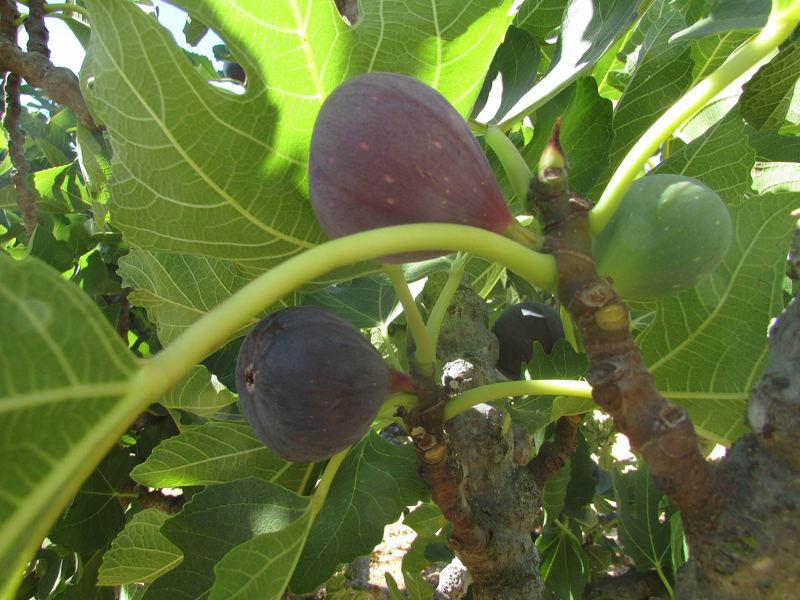 Fig
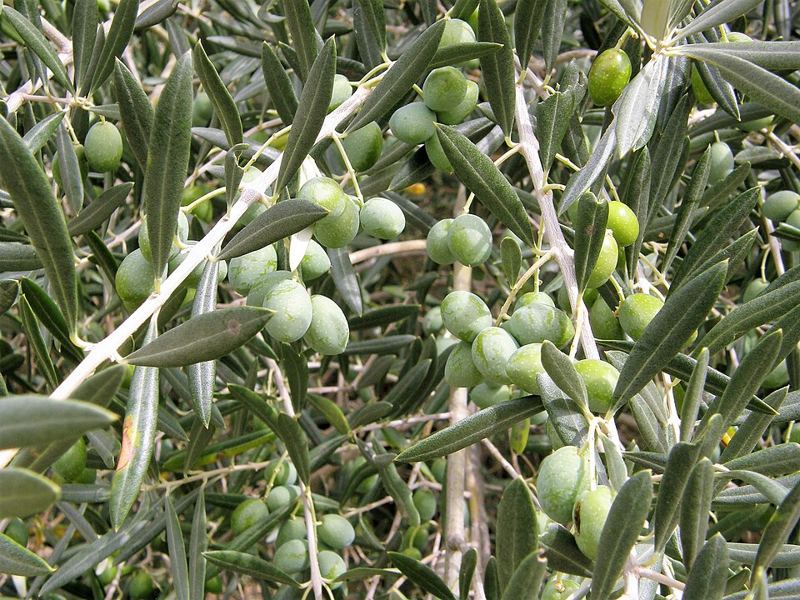 Olive
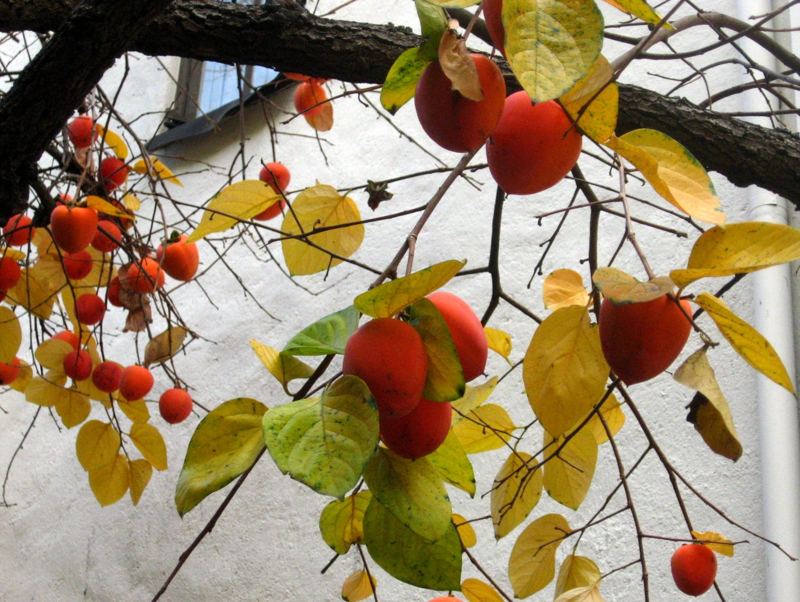 Persimmon
 Jujube