

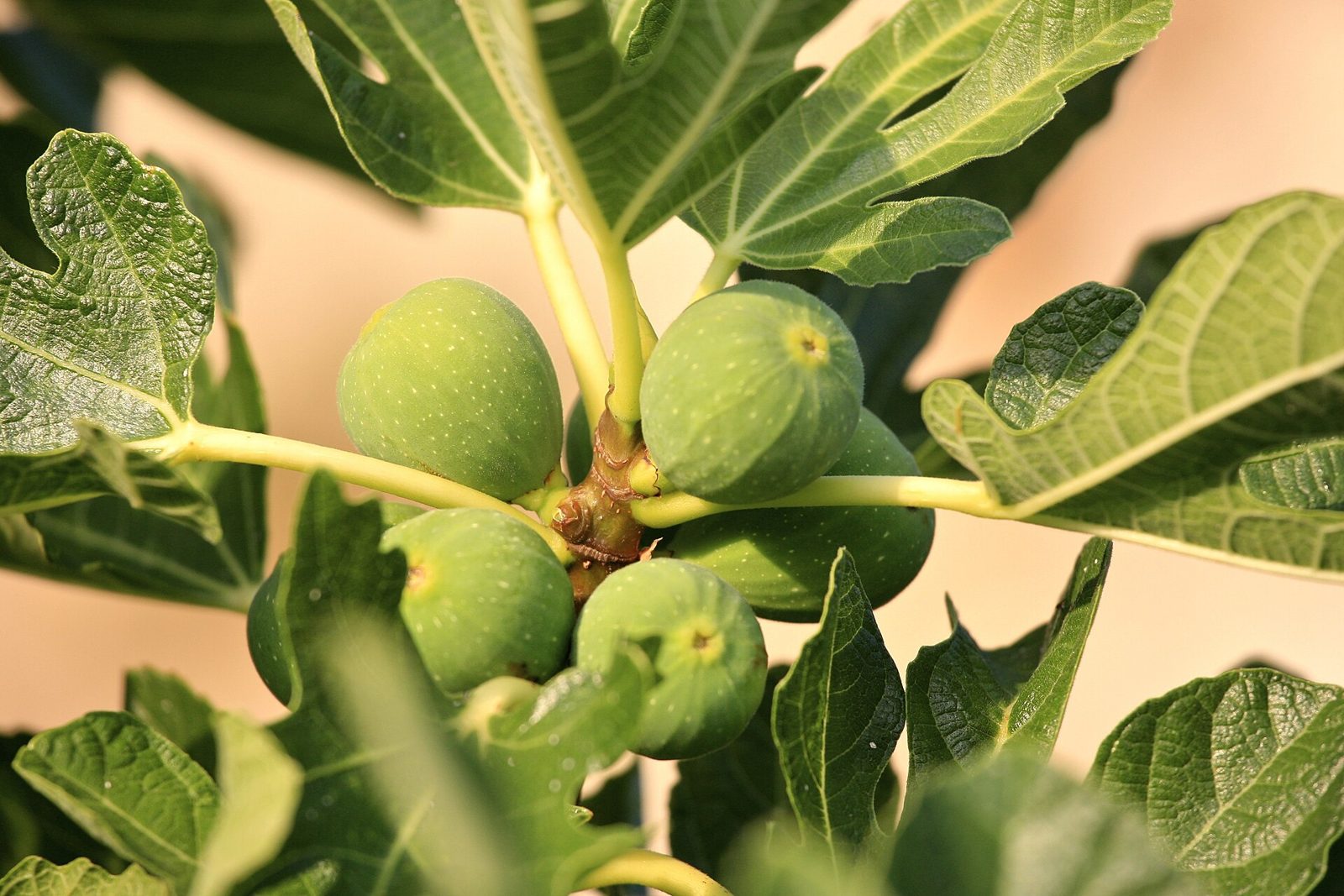
Which fig to grow depends on your winters, your humidity and your space. For cold winters, grow Chicago Hardy. In the humid Southeast, choose a closed-eye type such as Celeste or LSU Purple. In hot, dry climates, try Kadota, or Brown Turkey in southern California. This guide compares six types of figs grown in US gardens so you can pick one before you buy. For planting and care, see our fig tree guide.
Fig varieties compared
| Variety | Best for | Size | Flavor | Eye / cold hardiness |
|---|---|---|---|---|
| Chicago Hardy | Cold winters · zones 5–10 (Iowa State) · can fruit in year one | 10–15 ft tall, 9–12 ft wide; can be kept at 6 ft | Ripe fruit deep purple or brown, yields slightly to the touch | Most cold-tolerant fig (Illinois) |
| Brown Turkey | Southeast and southern California · reported more cold hardy than many figs | Small, hardy, vigorous tree (CRFG) | Medium, purplish brown, pinkish amber flesh, good flavor, best fresh | Light breba crop |
| Celeste | Humid Southeast, Piedmont · fruit from early July in Florida | Small, productive, hardy tree (CRFG) | Small to medium, light violet to violet-brown, very sweet, usually dried | Closed eye (UF) · Clemson notes it can drop fruit in hot weather |
| Black Mission | All-round pick (CRFG) · fruit summer to winter (UF) | Very large tree; plant at maximum spacing (CRFG) | Large, black-purple, reddish-pink flesh, fairly good taste | Prolific brebas |
| Kadota | Hot, dry climates (CRFG) | Upright; needs annual pruning to slow growth (CRFG) | Medium-large, yellowish green, amber flesh, rich flavor | Open eye partly sealed with a honey-like substance (UF); CRFG says it resists souring |
| LSU Purple | Louisiana and the Gulf South · three crops a year (LSU) | — | Medium-small, glossy purple, amber-to-pink flesh | Closed eye (UF) |
The last column shows eye type, which decides whether a fig sours in humid weather, or cold hardiness. Figs are zone 8–11 trees in the ground, and hardy types extend that colder. In a pot a fig can grow in any zone.
Pick by situation
Cold winters: Chicago Hardy
Chicago Hardy is the one to grow if winters drop well below freezing. Illinois Extension calls it the most cold-weather tolerant of fig trees, and says it performs well in all areas of Illinois. Iowa State lists it for zones 5–10, but notes that most of Iowa is zone 5a, where it may not always overwinter. Expect dieback in a cold winter and regrowth in spring. It grows 10–15 ft (3–4.5 m) tall and 9–12 ft (2.7–3.7 m) wide, and can be pruned and kept at 6 ft (1.8 m).
Southeast and southern California: Brown Turkey
Brown Turkey is probably the most popular fig in the southeastern US (UF/IFAS) and does best in southern California (CRFG). UF/IFAS reports that Brown Turkey and Celeste are more cold hardy than many other figs. The name covers different figs in different regions, so buy from a nursery near you.
Humid climates: choose a closed eye
Souring is the main reason figs fail in humid weather. Insects enter an open eye and the fruit ferments. Clemson says the only control is a tight or closed eye, and LSU agrees that closed-eye varieties have fewer problems with souring. UF/IFAS lists Celeste and LSU Purple as closed-eye. Clemson also calls Celeste best for the Piedmont because of its cold hardiness, but warns that it can drop fruit in hot weather.
Hot, dry climates: Kadota
The California Rare Fruit Growers say Kadota requires a hot, dry climate for best quality. It is an upright tree that needs annual pruning to slow growth. Sources disagree on its eye: UF/IFAS describes an open eye partly sealed with a honey-like substance, while CRFG says it resists souring.
An all-round fig: Black Mission
The California Rare Fruit Growers call Black Mission the single best all-round variety for south, north, coast and interior. It is a very large tree, so give it maximum spacing. It is also everbearing, with fruit from summer to winter in Florida (UF/IFAS). A Penn State Extension author keeps one in a 3-by-3-foot pot that stays out year-round, protected as if it were in the ground.
Breba crops by variety
Brebas are the spring crop on last year’s wood, and the main crop is the fall crop on new growth. A variety’s breba habit changes how you prune and what a hard winter costs you.
- Black Mission: brebas are prolific (CRFG).
- Brown Turkey and Celeste: light breba crop (CRFG).
- Kadota: little or no breba crop (CRFG).
- LSU Purple: three crops, a light one in early spring, a heavy main crop in early July and a later crop sometimes lasting into December (LSU).
Why fig names are confusing
Clemson warns of considerable confusion over fig variety names. UF/IFAS lists “California Brown Turkey” as a synonym of Black Spanish, while the California Rare Fruit Growers describe Brown Turkey as a separate fig that originated in Provence. The same name can describe different trees on the East and West Coasts. Buy from a nursery in your own region, and go by the nursery’s description of the fruit and the tree’s hardiness rather than the name alone.
Next steps
Celeste, Black Mission, Kadota and LSU Purple are widely grown and worth a look at your nursery. Once your tree fruits, learn the signs in how to tell if a fig is ripe and then how to eat a fig. If winters are cold, read our guide to overwintering a fig tree, and if you have a small space, see fig tree in a pot. For more fruit that grows in warm, dry-summer climates, browse Mediterranean fruit.
Frequently asked questions
What is the best fig variety for cold climates?
Chicago Hardy. Illinois Extension calls it the most cold-weather tolerant of fig trees, and Iowa State lists it for zones 5–10. In the coldest zones it may die back to the ground in winter and regrow from the roots, so protect it if you want the tree to stay tall.
Which figs are best for humid climates?
Choose a tight- or closed-eye variety. Clemson says the only control for souring is to grow figs with a tight or closed eye that keeps insects out of the fruit. Celeste and LSU Purple both have a closed eye, according to UF/IFAS.
Which fig is best for a pot?
A smaller tree is easier to manage in a pot. The California Rare Fruit Growers describe Brown Turkey and Celeste as small trees, and Illinois Extension says Chicago Hardy can be pruned and kept at 6 ft. Black Mission is a very large tree.
Do all figs need a second tree or a fig wasp?
No. UF/IFAS says the cultivars recommended for Florida are common types that are parthenocarpic, meaning the fruit develops without pollination. One tree is enough.
What is a breba crop?
The first crop of the year, borne in spring on last season's growth. The second, the main crop, ripens in fall on new growth (CRFG). Some varieties, such as Black Mission, have prolific brebas, while others, such as Kadota, have little or none.
Sources
- The Fig (HS27/MG214), UF/IFAS Extension
- Fig Fruit Facts, California Rare Fruit Growers
- Figs: How to Grow and Care for Figs in South Carolina, Clemson Cooperative Extension HGIC
- Fig Trees Can Enhance Landscapes, LSU AgCenter
- Go Figure: Figs Are a Great Addition to Home Gardens, University of Illinois Extension
- Growing Hardy Figs in Iowa, Iowa State University Extension