

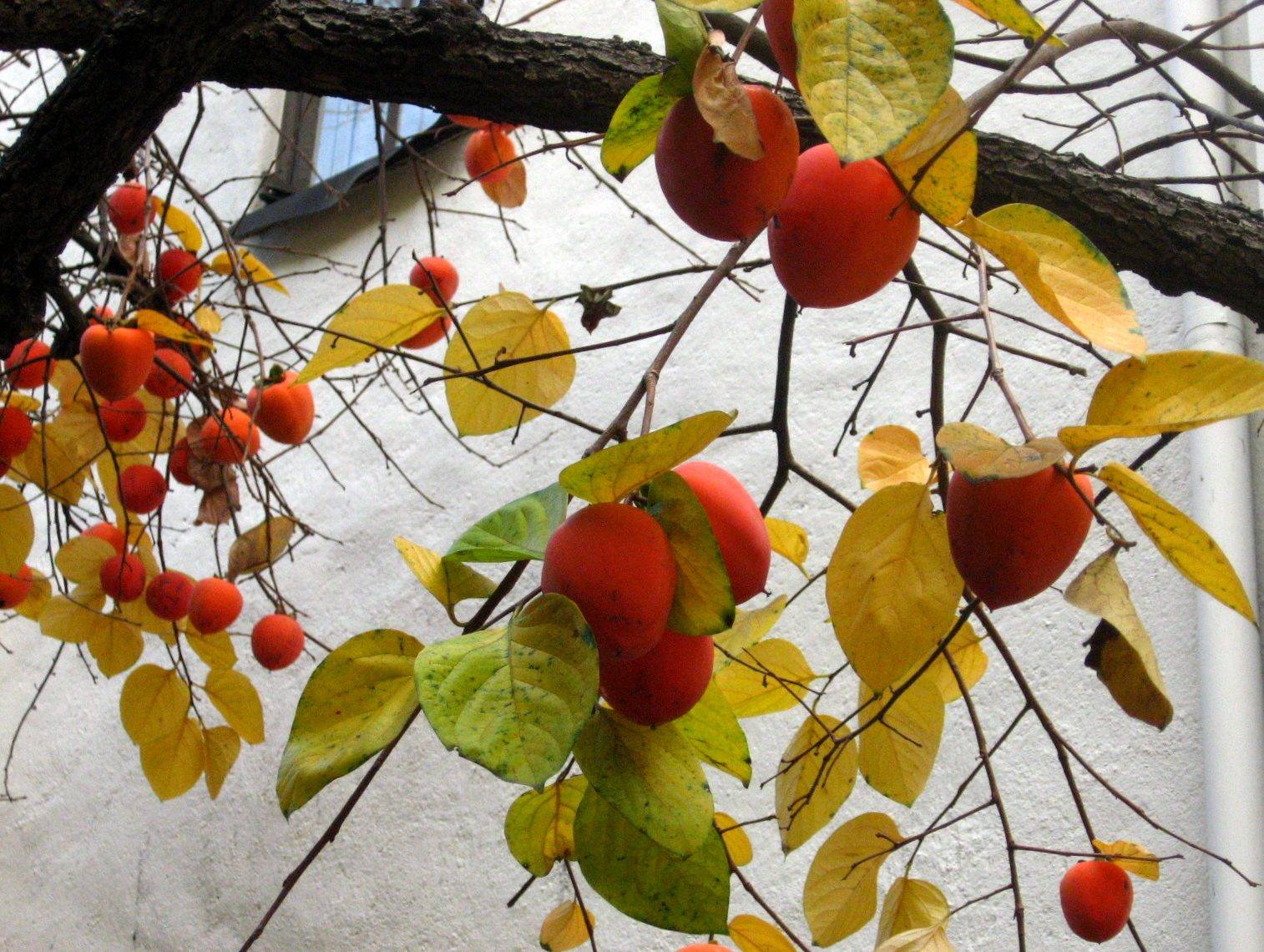
Your zone decides how you grow a fruit tree far more than whether you can. In zones 9–11 you can plant the tropical and citrus fruit in the ground. In zones 7–8 the ground suits fig, pomegranate and persimmon. In zones 4–6 the in-ground list is short: American persimmon, a hardy fig and cold-hardy pomegranates. Everything else on our list grows in a pot in any zone, if you can shelter it for winter. Below is each fruit’s range, built from the zone and cold limits on its own page.
A zone is an average winter low, not a promise. A late frost after buds open, a wet winter or a windy site can hurt a tree that is rated for your zone, so read the cold limits further down as well.
What to plant in each zone
| Zone | In the ground | In a pot you can shelter |
|---|---|---|
| 4 (4b and warmer) | American persimmon (4B–9B) | Fig, pomegranate, Asian persimmon, and every tropical and citrus fruit |
| 5 | American persimmon · Chicago Hardy fig · Kazake pomegranate | Asian persimmon, Meyer lemon and the tropicals |
| 6 | American persimmon · Chicago Hardy fig · cold-hardy pomegranates | Asian persimmon, Meyer lemon and the tropicals |
| 7 | Asian persimmon (edge) · pomegranate (edge) · Chicago Hardy fig · maypop in 7b | Meyer lemon and the tropicals |
| 8 | Fig · pomegranate · persimmon · maypop | Meyer lemon, avocado, banana and the tropicals |
| 9 | Add avocado (edge) · Meyer lemon · banana · passion fruit (9b) · dragon fruit (9b, with cover) | Mango · pineapple |
| 10 | Add mango · dragon fruit · pineapple | None needed |
| 11 | Everything above, with a check on persimmon chill | None needed |
Zones 4–5: a short list, and pots
With a winter low this cold, the realistic in-ground fruit is the native American persimmon, which UF/IFAS lists for zones 4B–9B and Clemson says survives −20°F to −25°F. Be honest about it: the fruit is astringent and not edible before it ripens, usually after a frost, most cultivars need both male and female trees, and the tree can reach 40–60 ft.
In zone 5, add the Chicago Hardy fig, which Iowa State lists for zones 5–10. In a cold winter it dies back to the ground and regrows from the roots, or you can wrap it, bury it or keep it in a pot. In zone 5a it may not always overwinter. A hardy pomegranate such as Kazake can be grown as far north as zone 5, according to NMSU.
Everything else belongs in a pot. Mango, avocado, dragon fruit, pineapple, banana, passion fruit and Meyer lemon all come indoors before frost. For the Meyer lemon, see its pot guide, and for the rest, read overwintering fruit trees indoors.
Zone 6: more hardy options
Zone 6 keeps the zone 5 list and widens it. NMSU says some cold-hardy pomegranates, traced to Russian genetics, grow in zones 5 and 6. Kazake and Salavatski are the names to look for, and NMSU says Salavatski can withstand temperatures as low as 0°F. For a fig, our overwintering guide says zones 5–7 should choose a hardy variety, then wrap it, bury it or let it die back each winter. For an Asian persimmon, our pot guide says zone 6 and colder should grow it in a pot and move it into an unheated garage or shed once it is dormant.
Zones 7–8: where fig, pomegranate and persimmon settle in
Zone 7 is the edge for two trees. NMSU says pomegranates grow best in zones 7–10, and a hard winter in zone 7 can drop below the 10–12°F a dormant tree tolerates. The California Rare Fruit Growers say Asian persimmon suits zones 7–10, and Clemson and UGA say it may be injured below about 10°F. Choose a hardier pomegranate, and shelter a young persimmon.
Zone 8 is the comfortable range for both, and for the fig: the fig pillar says figs fruit reliably in the ground in zones 8–11. Mulch the base, and wrap in the coldest winters. Maypop, the hardy native passion flower, is listed by UF/IFAS for zones 7b through 11. Its fruit is insipid to slightly sweet, so it is more of a vine than a crop.
Tropicals stay in pots here. The ornamental banana Musa basjoo is the exception for tropical looks: NC State says it dies back to the ground in zones 5–8 and regrows. It is not a fruiting banana, and its fruit is not for eating.
Zone 9: the edge of the tropics
Zone 9 is where the list opens up, with risk attached. In the ground you can grow the Meyer lemon (zones 9–11), the fruiting banana (zones 9–11) and the avocado (zones 9–11, with zone 9 as the risky edge). For avocado, choose a Mexican-race type such as Mexicola, plant against a warm wall and drape a young tree before a freeze.
Passion fruit needs zone 9b, and dragon fruit grows in zone 9b with frost protection. Mango can live outdoors in a protected spot in zone 9, but one hard frost can kill it to the ground, so treat it as a pot plant. Pineapple is a zone 10–11 plant, so grow it in a pot and bring it in.
Zones 10–11: the full tropical list
Mango, dragon fruit and pineapple join the in-ground list in zones 10–11, along with everything above. A grafted mango planted in the ground fruits in three to five years, and a rooted dragon fruit cutting can fruit in as little as 6–9 months.
Check two details in the warmest gardens. UF/IFAS says persimmons do well in areas with only 100–200 hours below 45°F, and our persimmon and pomegranate pages give zones 7–10 for ground planting, so ask your county extension office whether your winters supply enough chill. UGA says most pomegranate varieties do not require winter chill hours.
Cold limits at a glance
The zone is a start. These are the actual numbers from each page.
| Fruit | What the cold does |
|---|---|
| Pineapple | Does not tolerate freezing below 28°F (−2°C) |
| Banana | Leaf damage near 32°F (0°C) · below 28°F (−2°C) may kill the plant to the ground |
| Dragon fruit | Brief dips near 28°F for established plants · long freezes damage stems |
| Mango | Young trees can be killed at 29–30°F (−1.5°C) |
| Meyer lemon | Flowers and young fruit die near 29°F · leaves are damaged at 22–24°F · wood near 20°F |
| Passion fruit | Chilling injury below about 59°F · the low to mid 20s°F can kill the vine to the ground |
| Avocado | Mature trees damaged at about 18–26°F (Mexican), 24–28°F (Guatemalan), 25–30°F (West Indian) |
| Fig | Dormant branches damaged near 15–20°F (−9 to −7°C) · a tree in growth can be hurt near 30°F |
| Pomegranate | Dormant trees take roughly 10–12°F · hardier types survive 7°F |
| Persimmon | Dormant Asian trees tolerate about 0°F, with injury possible below about 10°F · a late frost after bud break can do damage at 27°F |
Stretching your zone
A warm site helps. Our fig page suggests a spot against a south- or west-facing wall for extra warmth in cold zones, and the avocado and dragon fruit pages say the same of a warm wall in zone 9. A pot beats all of it, because you can carry it indoors: see our guide to growing fruit trees in containers for pot sizes and soil, or browse fruit trees for pots and patios.
For lists by theme, see our collections of tropical fruit trees and cold-hardy tropical fruit for cooler zones. New to fruit trees? Start with our best fruit trees for beginners.
When you are ready to buy, our guide on where to buy fruit trees in the US explains what to ask a nursery about your zone.
Frequently asked questions
What fruit trees can I grow in zone 5?
In the ground, the American persimmon (UF/IFAS lists zones 4B–9B), the Chicago Hardy fig (Iowa State lists zones 5–10, though in zone 5a it may not always overwinter) and a cold-hardy pomegranate such as Kazake, which NMSU says can be grown as far north as zone 5. Everything else on our list is a pot you shelter for winter.
Can I grow tropical fruit in zone 7?
In a pot, yes. Mango, avocado, banana, pineapple, dragon fruit, passion fruit and Meyer lemon all grow in containers in any zone if you bring them in before frost. Two exceptions grow in zone 7 ground. Maypop, a hardy native passion flower, is listed for zones 7b–11, and Musa basjoo is an ornamental banana whose fruit is not for eating.
What fruit trees grow in zone 9?
Fig, pomegranate, persimmon, Meyer lemon, banana and avocado can all be planted in the ground in zone 9, with protection for avocado, the tender edge case. Passion fruit needs zone 9b, and dragon fruit needs 9b plus frost cover. Mango and pineapple are pot plants in zone 9.
Sources
- Growing Hardy Figs in Iowa, Iowa State University Extension
- Pomegranates, NMSU Extension, Doña Ana County
- Diospyros virginiana, Common Persimmon (ST231), UF/IFAS Extension
- Passiflora incarnata: Wild Passion Flower, Maypop (FP457), UF/IFAS Extension