

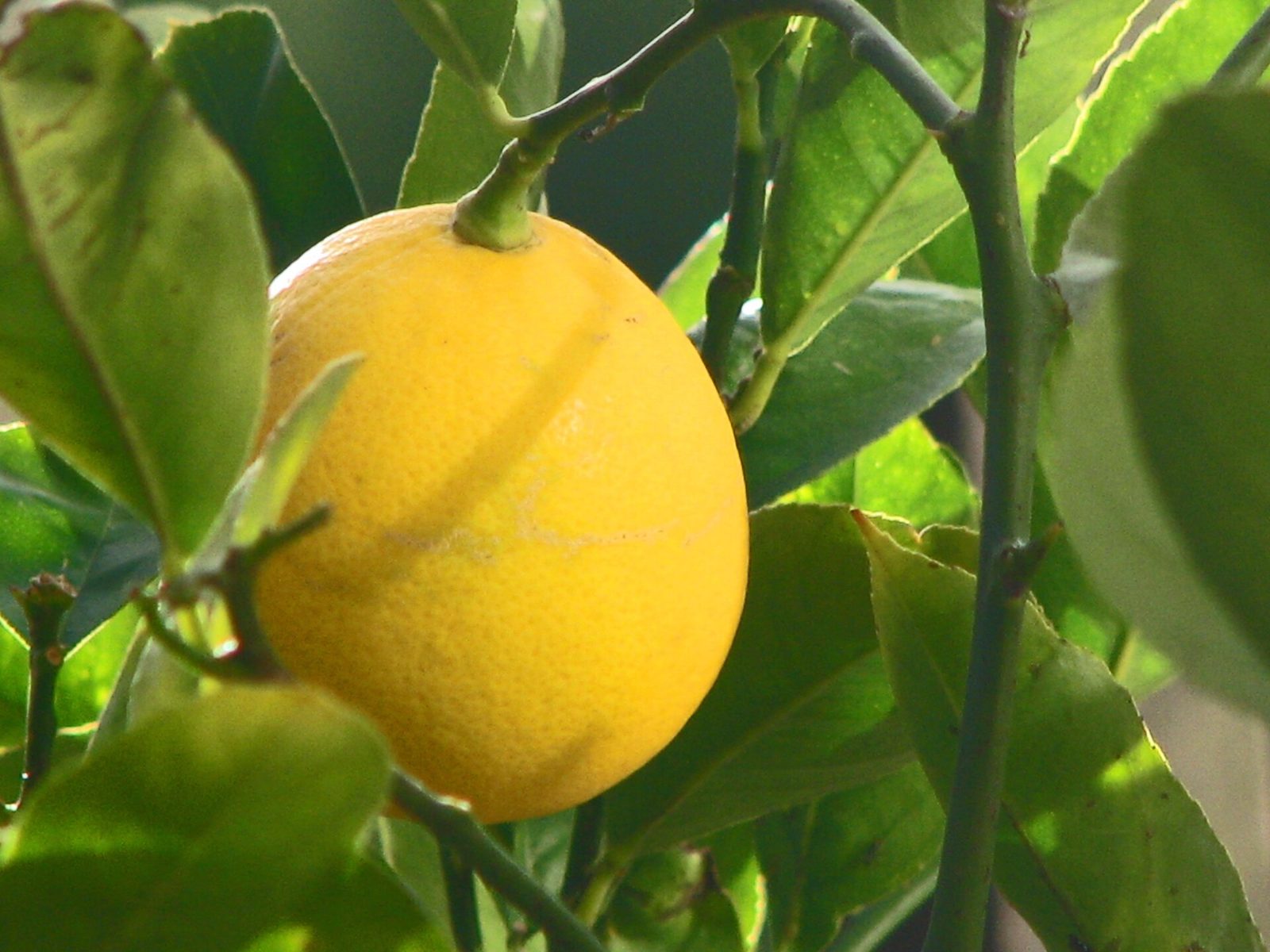
The best fruit trees for beginners are the fig, the pomegranate, the Meyer lemon and the Asian persimmon, because each one sets fruit from a single tree and none of them needs a greenhouse. Which one suits you depends on your winter low. This guide sorts the easy fruit trees by USDA zone, shows what to look for when you buy, and lists the mistakes that cost most beginners their first year. Everything here comes from the pages for the fruit we cover, so it is built for the US, not for a generic climate.
Easiest fruit trees by zone
Start with the zone, because cold decides what lives. Our guide to fruit trees by zone has the full chart. In short:
| Your zone | Easiest in the ground | Easiest in a pot |
|---|---|---|
| 4–6 | Chicago Hardy fig (zones 5–10) · Kazake pomegranate (to zone 5) | Meyer lemon, Asian persimmon |
| 7–8 | Fig · pomegranate · Asian persimmon (zones 7–10) | Meyer lemon, banana |
| 9 | Meyer lemon · fig · pomegranate · persimmon · banana | Mango, pineapple |
| 10–11 | Meyer lemon · banana · dragon fruit · fig | None needed |
In any zone, a fruit tree in a pot you can move is the safety net. Our fruit trees for pots and patios collection shows which ones take to it.
The easiest fruit trees, one by one
| Fruit | In the ground | Second tree needed? | First fruit |
|---|---|---|---|
| Fig | Zones 8–11 · hardy types 5–10 | No | 1–3 years |
| Pomegranate | Zones 7–10 grow best · hardy types 5–6 | No, self-fruitful | Year 2 from a cutting |
| Meyer lemon | Zones 9–11 | No | Third year |
| Asian persimmon | Zones 7–10 | Many types no | About 3 years |
- Fig. Easy, sun-loving and forgiving. In zones 5–7 choose Chicago Hardy, which dies back to the ground in a hard winter and regrows from the roots.
- Pomegranate. A bushy shrub or small tree that takes drought once established. It needs only light feeding, and it adapts well to containers (CRFG).
- Meyer lemon. Our best first citrus. UC ANR lists the Improved Meyer among the naturally small citrus, and it is happy in a pot.
- Asian persimmon. Most trees need little fertilizer. Choose a non-astringent type such as Fuyu and you can eat the fruit firm.
- Dwarf Cavendish banana. A banana is not a tree, but it is quick: UF/IFAS says the flower stalk appears 10 to 15 months after planting. Dwarf Cavendish is the compact one, at 4–7 ft (CRFG).
What to look for when you buy
Buy a grafted tree, not a seedling. Grafted trees fruit years sooner and match the variety on the label. For a Meyer lemon, look for “Improved Meyer,” a healthy graft union and glossy, unspotted leaves. A small tree in a 3- or 5-gallon pot is easier to establish than a large one. Our guide on where to buy fruit trees in the US explains the label, grafting and what to ask a nursery.
Plant it right the first time
A good start saves the most trouble later. Choose the sunniest spot you have, because all ten fruit on our list want full or nearly full sun, and a fig wants 8 or more hours a day (6 is the minimum). Choose well-drained soil, since wet roots are the common killer.
For a Meyer lemon, dig a wide, shallow hole about as deep as the root ball and two to three times as wide. Set the tree so the graft union, the bulge near the base, stays above the soil line. Water in well, mulch around the tree and keep the soil evenly moist while it settles. For a pomegranate, feed lightly after planting and begin shaping it in the first winter. For an Asian persimmon, cut a young tree back to about half height, or about 3 ft, so it builds a strong framework.
A winter plan for each pick
Plan the winter on the day you plant, not the day the forecast turns.
- Fig: in zones 5–7, let a hardy variety die back and regrow, or wrap it, bury it or keep it in a pot. A potted Chicago Hardy can spend the winter in an unheated garage or shed.
- Pomegranate: dormant trees tolerate about 10–12°F, and hardier types 7°F (UGA).
- Meyer lemon: lemon flowers and fruit die near 29°F and leaves at 22–24°F, so a pot comes indoors before a freeze.
- Persimmon: dormant Asian trees tolerate about 0–10°F. A potted tree prefers an unheated space to a warm room, because it needs some winter cold.
Our guide to overwintering fruit trees indoors has a table of when to move each fruit.
Fruit trees that are harder than they look
Be honest with yourself about three. Avocado grows 40–80 ft (12–24 m) if not pruned, starts at 3–4 years even when grafted, and wants zones 9–11. Mango is easy to keep alive but harder to make flower outside the tropics. Dragon fruit grows fast, but many plants need a second type or night-time hand pollination. None is impossible. They are second-tree projects, not first-tree ones.
First-year mistakes to avoid
- Choosing by flavor, not winter. Pick the variety for your winter low first. A tree rated for zone 9 will not shrug off a zone 7 winter.
- Planting in shade. Every fruit we cover wants full or nearly full sun.
- Jumping to a huge pot. A pot far too big for a young root system holds wet soil and invites root rot. Step up a size at a time, and see our container fruit tree guide.
- Feeding too much nitrogen. Too much can cause fruit drop on persimmon and pomegranate, and lets some trees grow leaves instead of fruit. Our fertilizing guide gives amounts by fruit.
- Expecting fruit in year one. Most of the trees here need 1–4 years. If you want quick fruit, read about fast-growing fruit trees.
- Ignoring pollination. Check whether your pick needs a partner with our list of self-pollinating fruit trees.
If your yard is small, dwarf and compact fruit trees will help you choose.
Frequently asked questions
What is the easiest fruit tree to grow?
The fig is our easiest pick for most gardeners. It needs no second tree and no pollinator for the common types, wants full sun and good drainage, and a hardy variety such as Chicago Hardy grows in zones 5–10 (Iowa State). Pomegranate and Meyer lemon come a close second.
Which fruit trees fruit the fastest?
From our list, a rooted dragon fruit cutting can fruit in 6–9 months (UF/IFAS), and a banana flower stalk appears 10–15 months after planting. Among trees, a fig can give a few fruits in 1–3 years and a pomegranate fruits in year two from a cutting (UGA).
Do I need two fruit trees to get fruit?
Not for our four easiest picks. Figs need no pollination, pomegranates are self-fruitful (UGA), a Meyer lemon sets fruit without cross-pollination (UF/IFAS) and many Asian persimmons set seedless fruit alone. Avocado and yellow passion fruit are the ones to check before you buy.
Can a beginner grow fruit trees in a pot?
Yes. Meyer lemon, fig, pomegranate and persimmon all do well in a large pot with drainage holes, and a pot lets you carry the tree indoors before a freeze in any zone.
Sources
- The Fig (HS27/MG214), UF/IFAS Extension
- Pomegranate Production (C997), UGA Extension
- The Lemon Tree: Lemon Growing in the Florida Home Landscape (HS402), UF/IFAS Extension
- Persimmon Fruit Facts, California Rare Fruit Growers
- Growing Hardy Figs in Iowa, Iowa State University Extension